

Sourcing a Clothing Manufacturer in China: B2B Guide


A menswear company once transferred 50% of the deposit to a factory after receiving a response to their one-shot unsolicited email containing a picture of a product belonging to a totally different company. The manufacturing facility’s address mentioned in the invoice was not registered to any legal company. They were unable to recover the deposit and lost an entire retail season trying to rebuild their supply chain from scratch. This is exactly what happens when people enter keywords like “China clothing manufacturer,” as they often end up being more cautious about China than about its sourcing process. There is nothing risky about China, just about unverified factories.
Sourcing a Clothing Manufacturer in China: What B2B Buyers Should Know
1. Why China Is Still a Hot Spot for B2B Apparel Sourcing
Despite years of expectations that production would be relocated, China’s clothing manufacturers remain one of the most popular destinations for B2B sourcing of apparel – for good reasons. Years of specialization have made it possible for many plants to manufacture complex products, work in either small or large volumes, and procure trims, accessories, and textiles in a local industrial district, usually within a one-day drive radius.
This abundance of resources is an undeniable asset. It also explains why pre-screening is needed: just like the ability to easily find a Chinese factory online, this makes it easy to stumble upon one that lacks credibility. A B2B buyer who understands how to do his homework before committing benefits from all the advantages offered by Chinese manufacturing, but avoids the risks associated with it.
2. Types of Clothing Manufacturers Available in China
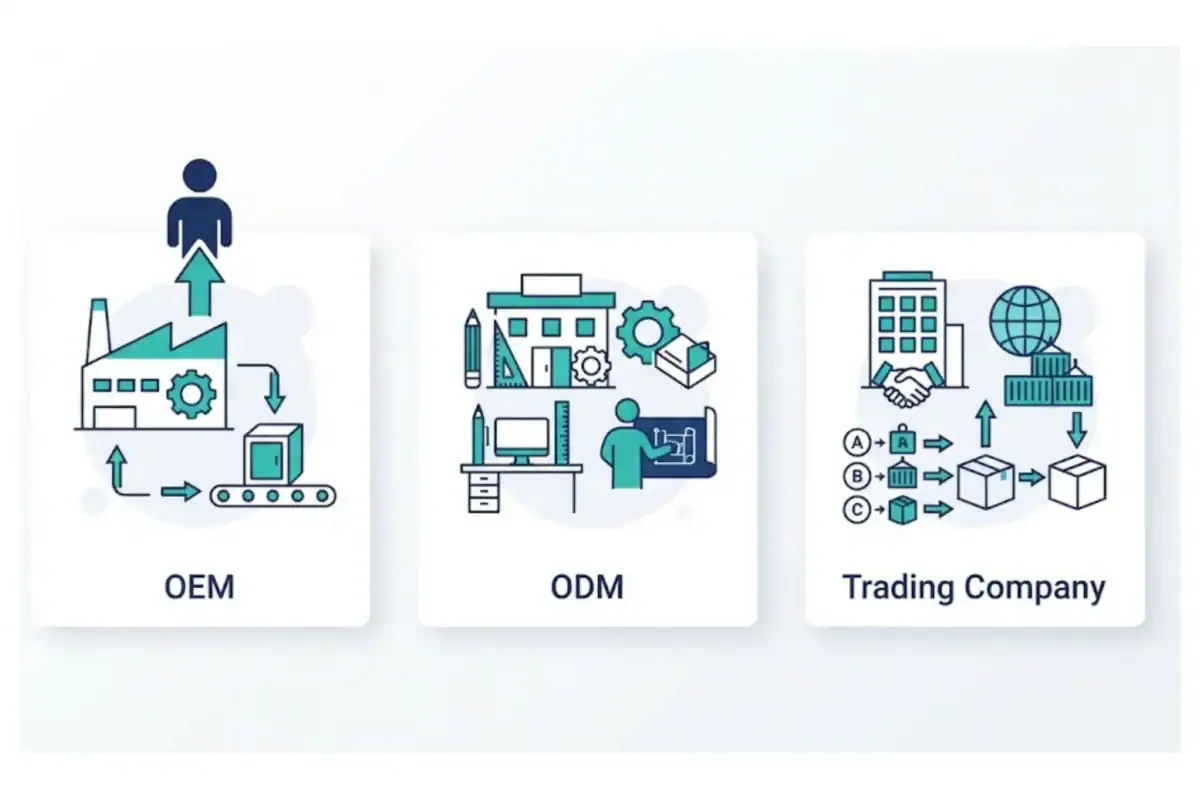
Not all companies responding to the sourcing inquiry are actually factories. Knowing the difference upfront allows you to save time and money as well as prevent an unnecessary markup.
Actual OEM Factories
A real OEM factory manufactures products using its own equipment and according to your design – your pattern, your fabric, your brand. Race Apparel’s jacket manufacturing factory shows how such an OEM factory discloses its category and process online rather than just upon request.
ODM Factories
The ODM factory provides pre-designed products that can be branded and customized. It helps to reduce time for development but does not allow control over construction specifics compared to OEM cooperation.
Trading Company / Sourcing Agent
This company itself does not produce any products; it orders your product from a factory it cooperates with and takes a profit in between. Such cooperation can be totally fine; however, it means that you cooperate with intermediaries who can affect the product production process.
Asking the question “Are you the factory, or do you outsource production?” is a fair and common question, and an honest supplier will have no problems answering it.

3. How to Screen a China-Based Clothing Manufacturer: Process Overview
Check That the Company Is Legitimate
Ask for a business license number, check it, request the actual address where the factory is located and does its work (not just a showroom address), and look for an extensive digital footprint, as an existing factory has a history of many years, while a website created a month ago suggests otherwise.
Provide Detailed Tech Pack Instead of a Product Photo
While a photo will tell a factory very little about the product, in terms of construction, fabric weight, etc., a complete tech pack with all the information is necessary to provide a correct quote. Reviewing a transparent description of our process gives us the ability to use it as a benchmark when comparing processes of other factories.
Request a Video Call of the Factory Floor
A real manufacturer will be glad to show the factory floor (machines, workers, clothes-in-production, etc.) in a video call. Reluctance to provide such a service or sending only pictures is a clear sign that something might be wrong.
Order a Sample Before Ordering Any Pieces in Bulk
It should never be skipped in order to save time. A sample proves the quality of fit, materials used, and construction of the garment. Any factory’s reluctance to provide samples should be considered a red flag.
4. Understanding MOQ, Lead Time, and Pricing
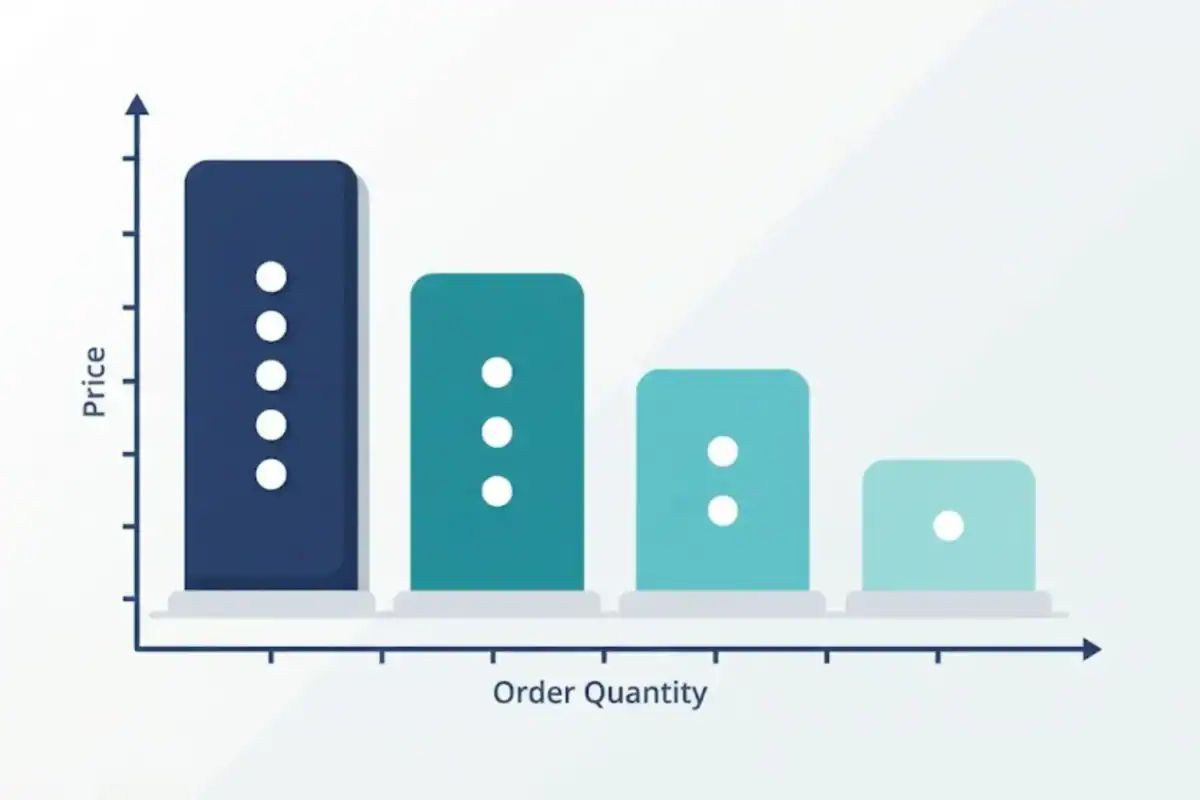
MOQ, lead time, and unit pricing go together. Different China-based factories differ from one another in MOQs, lead times, and pricing. A factory that produces in large amounts and in long production runs may require you to buy 500-1,000+ pieces per style in order to get to a reasonable price point. There are numerous smaller or more flexible manufacturers, including those specializing in technical and premium outerwear, that no longer have any MOQs; this is very important for a new company to validate demand and go into bulk production.
Lead time varies between 10-14 days for pre-production samples and 3-5 weeks for bulk manufacturing after approval of the samples, though in some cases the latter can take more time. Lead times should be specified in writing, based on the approval of the samples and not on the day you contacted the factory (they can be a month apart).
5. Shipping, Incoterms, and Customs: What to Plan For
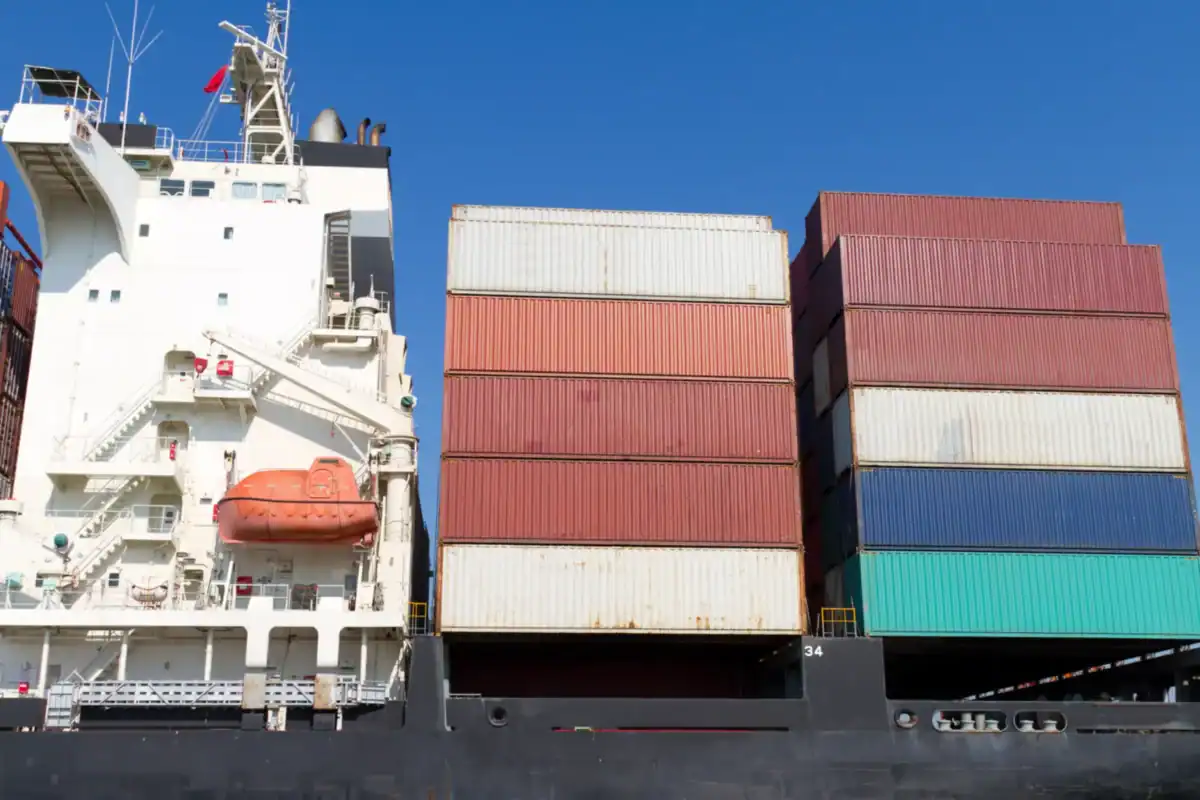
Shipping cost and responsibility are defined by which Incoterms 2020 term appears in your contract — FOB, DDP, and EXW are the terms buyers see most often when sourcing from China, and each shifts a different share of cost, risk, and customs responsibility between buyer and seller. Confirm this term explicitly in writing; “we’ll handle shipping” without a named Incoterm is not a specific enough agreement to avoid disputes later.
On the import side, apparel entering the U.S. is subject to specific tariff classifications and documentation requirements. Reviewing the CBP textile import rules published by U.S. Customs and Border Protection before your first shipment helps you understand what paperwork, country-of-origin rules, and duty rates apply to your product category, rather than discovering them at the port.
A factory with mature supply chain management — meaning it can name its fabric and trim suppliers and controls its own shipping documentation — significantly reduces the odds of the customs delays and paperwork errors that catch first-time importers off guard.
Image 6 — Certifications and Audits (1000 × 700px)
Image prompt: Close-up flat-lay photo of certification documents and an ethical audit report on a desk, professional and trustworthy tone, realistic photography style, no readable logos or text.
6. Certifications and Compliance to Verify Before You Commit
Certifications are the fastest way to separate a factory that has been independently audited from one that only claims compliance. For China-based sourcing specifically, two checks matter most:
- SMETA — the Sedex Members Ethical Trade Audit, covering labor standards, health and safety, and environmental management, verified by an independent third-party auditor rather than self-reported by the factory.
- Quality management documentation — ask specifically to review a factory’s garment quality control process and its garment factory certifications as original documents, not summarized claims on a sales page.
A factory that hesitates to share this documentation, or provides only a logo image rather than the underlying certificate, has effectively answered the question for you.
7. Manufacturer Vetting Checklist
Run through this list before wiring any deposit to a China-based clothing manufacturer:
| Checkpoint | Why It Matters |
| Verified business license and address | Confirms the company is a real, registered manufacturer |
| Live video tour of the production floor | Confirms actual production capability, not just a sales front |
| Complete written tech pack on file | Ensures pricing and samples are quoted against real specifications |
| MOQ matched to your order size | Avoids overcommitting capital before demand is validated |
| Paid sample approved before bulk order | Confirms fit, fabric, and construction before scaling |
| Named Incoterm in the contract | Removes ambiguity over shipping cost and risk |
| Certifications provided as original documents | Confirms compliance is independently verified |
| Written lead-time commitment tied to sample approval | Protects your launch or reorder timeline |
8. Frequently Asked Questions
Is it safe to outsource clothing manufacturing from China anymore?
Yes, provided you follow standard verification procedures, such as ensuring a business license, arranging a video call from the factory, and getting an authentic sample order before placing a large batch order.
What is the MOQ rule for clothing manufacturers in China?
Very different, depending on a product’s complexity and the size of the factory itself, from the lowest, no MOQ orders for testing a product through to 500–1,000+ pieces per style for large-scale factories built around mass-production of items.
How do I know whether I’m working with a real factory or with a trading company?
It is simple – you just need to ask whether they are running their own factory floor or subcontracting orders elsewhere. In case you receive an evasive answer, get a live video tour first.
Which Incoterm is the most common for buying from Chinese suppliers?
FOB, EXW, and DDP are used most often. While FOB is quite a fair compromise between cost transparency and logistics responsibilities for the buyer, DDP leaves more of those to the seller. Whatever Incoterm you choose, be sure to state it explicitly in your contract under the Incoterms 2020 rules.
How much shipping time is expected from China?
If it is sea freight, it will take about 30-40 days depending on the port of arrival; air shipping time is 5-7 days, albeit more expensive. Remember to account for additional time needed for customs clearance.
What certifications should I request from a China factory?
SMETA for ethical labor practices and safety audit, along with any necessary product safety certification for your specific product.
Is it necessary to use a sourcing agent to manufacture in China?
No, it is not required. The purpose of a sourcing agent is to provide vetting and assistance during the ordering process. This person helps with communication and saves time. A buyer who is spending their time on direct factory vetting – tech pack creation, video tour, approval of the sample – can easily work without a sourcing agent.
What if my China manufacturer refuses to make a video tour and a sample?
It is definitely a red flag. A real manufacturer would have nothing against showing the factory itself and making the sample for a small fee.
Ready to manufacture in China and benefit from the sourcing while having no doubts? Let us know about your product and/or tech pack, and we will introduce you to certifications, MOQ, and realistic lead times with the help of a real and verifiable factory, not a subcontractor.
