

How to Vet Leather Jacket Suppliers Before You Place a Bulk Order

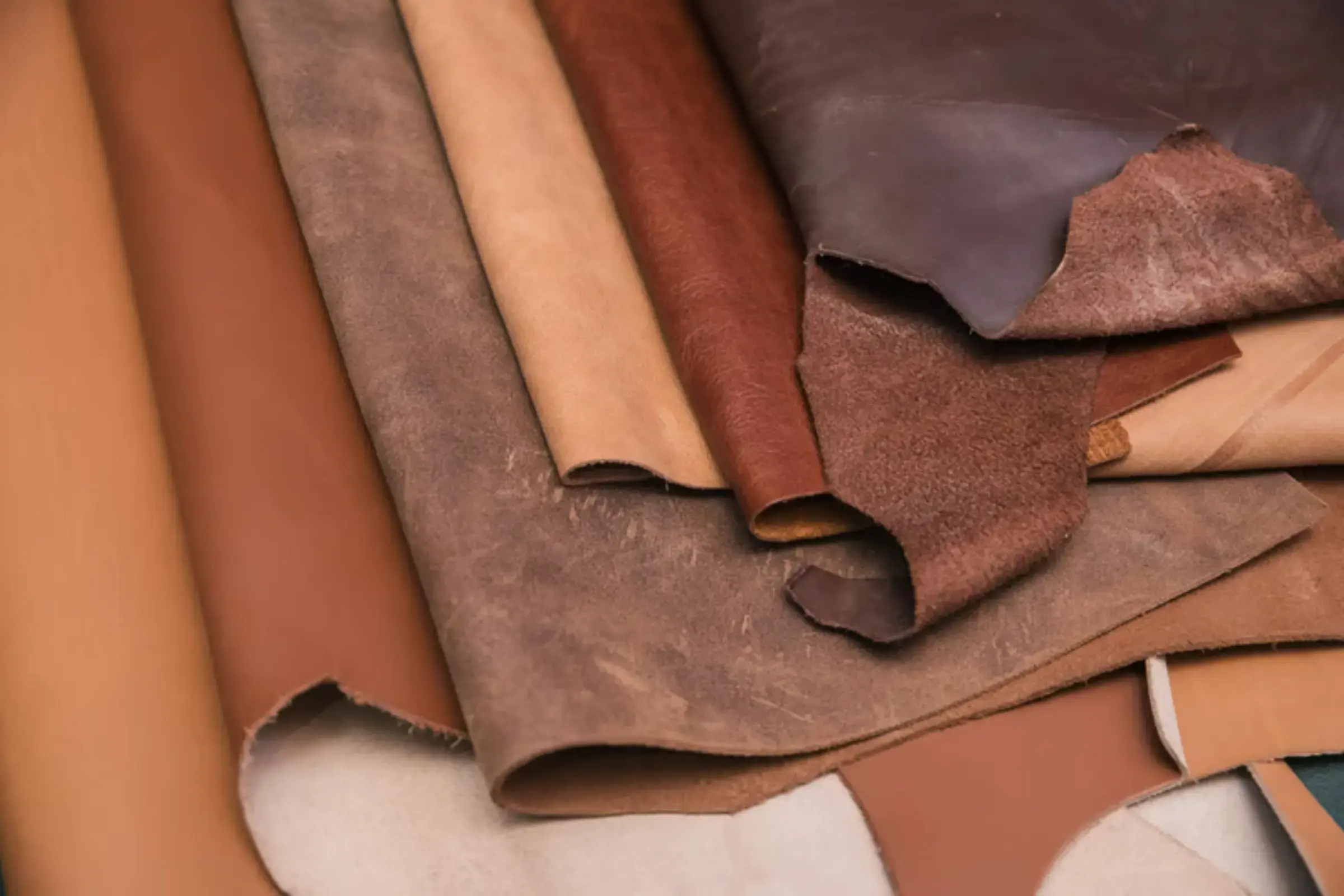
A bulk leather jacket order is expensive to get wrong, so vetting the supplier matters more than comparing catalog photos.
Why Vetting Leather Jacket Suppliers Matters More Than Comparing Prices
Leather is the most expensive material in your jacket, and it’s also the easiest one to misrepresent in a photo. A supplier can show you a beautiful sample cut from full-grain cowhide and then fill your bulk order with a thinner, corrected-grain substitute once the deposit clears. Vetting is how you catch that before it happens, not after 500 units arrive.
This guide covers what to check before you commit to any leather jacket supplier — the leather itself, the paperwork, and the quality control process.
Know Your Leather Before You Talk to Any Supplier
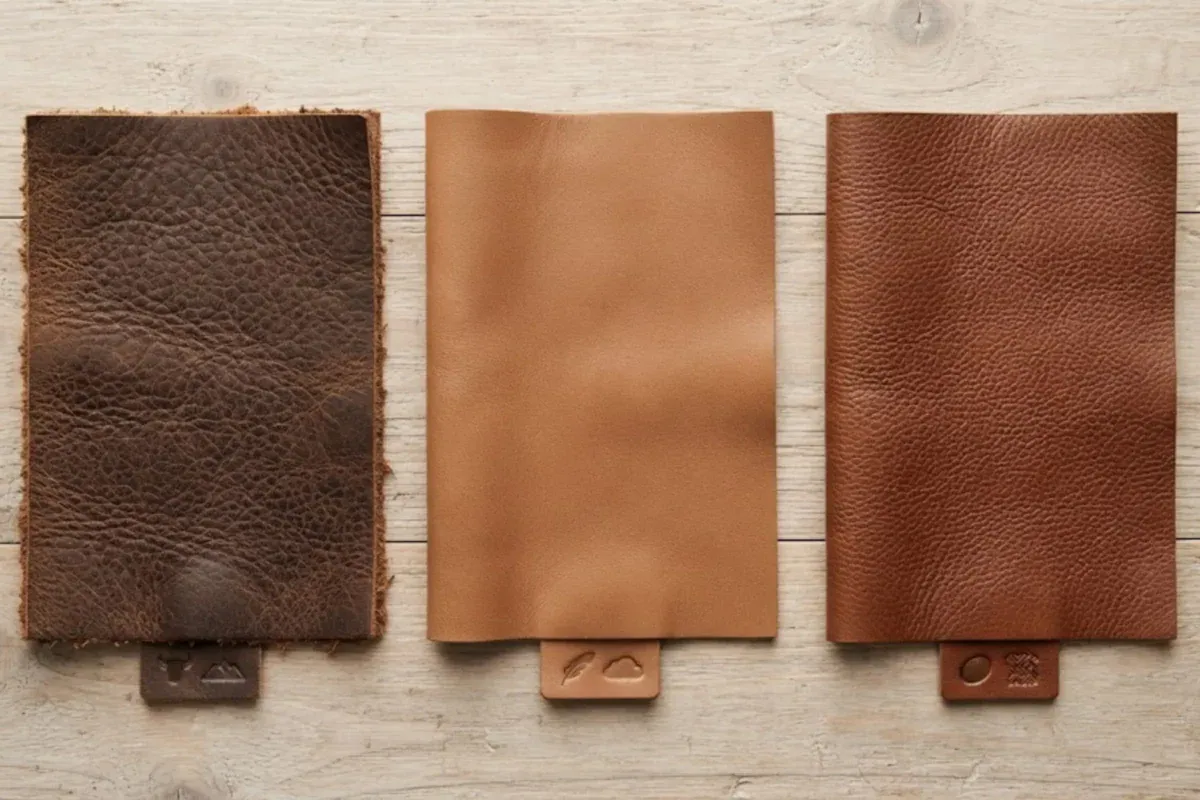
Leather jacket suppliers work with a handful of common hide types, and knowing the difference lets you ask sharper questions. Cowhide is the most common choice for jackets — thick, durable, and relatively affordable. Lambskin and sheepskin are softer and lighter, often used for a more fashion-forward fit, but they mark and wear faster than cowhide. Goatskin sits in between: lighter than cowhide, tougher than lambskin, and a common choice for a more casual, worn-in look.
Genuine leather (full-grain or top-grain) will always cost more than PU, or “faux leather,” which is a coated synthetic. Neither is automatically the wrong choice — it depends on your price point and customer — but a supplier should be specific about which one you’re getting, in writing, before you place any order.
How to Vet Leather Jacket Suppliers, Step by Step
1. Get the Leather Grade in Writing
Ask whether the leather is full-grain, top-grain, corrected-grain, or PU, and get the answer in your purchase agreement, not just a verbal confirmation. This single detail affects price, durability, and how the jacket ages, and it’s the detail suppliers are most likely to be vague about.
2. Ask for Tannery and Sourcing Information
A supplier that can name their tannery, or point to a certification like Leather Working Group (LWG), is telling you something real about their supply chain. A supplier who can’t or won’t answer basic sourcing questions is a factory you should be cautious about handing a large deposit to.
3. Sign an NDA Before Sharing Your Designs
If you’re sending original patterns, branding, or a tech pack, a non-disclosure agreement protects you if the supplier — or someone inside their factory — is tempted to reuse your design for another client. Any established supplier should sign one without pushback; hesitation here is a warning sign.
4. Define the Quality Control Checkpoints in Advance
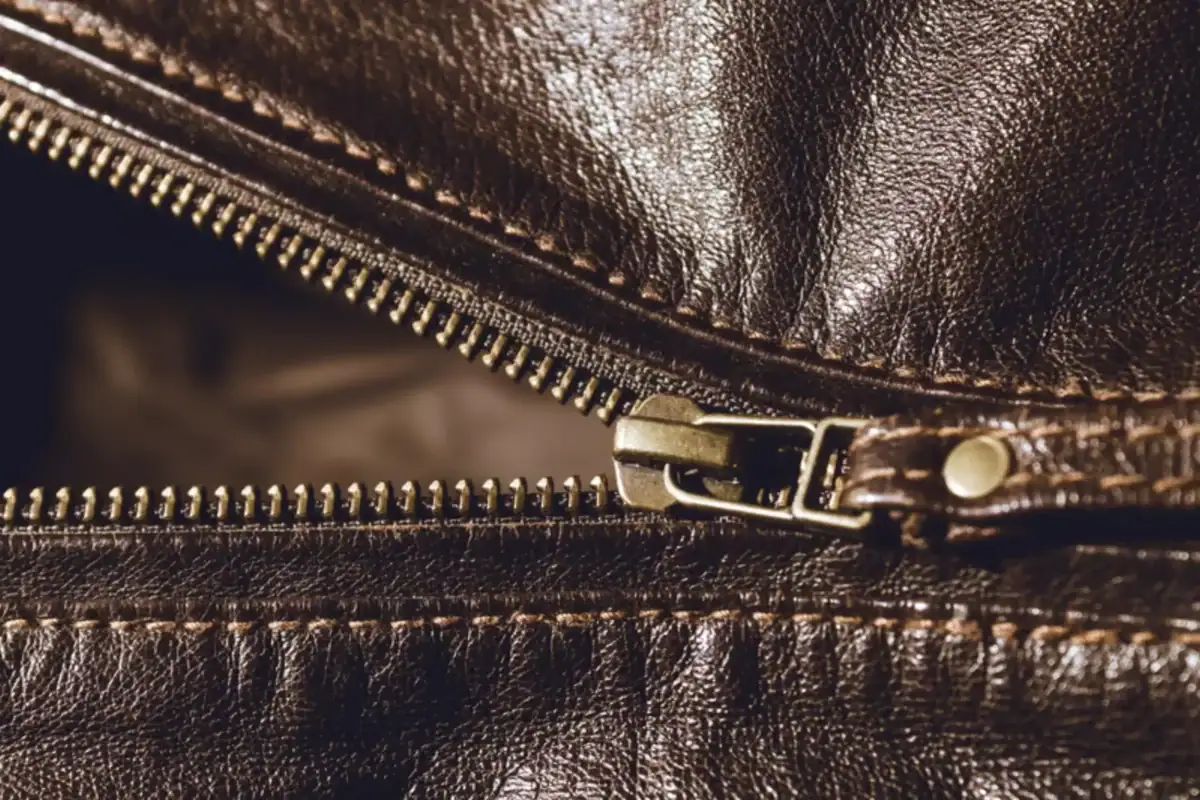
Agree upfront on what gets inspected before shipping: stitch density and seam strength, zipper brand and function (YKK is the industry benchmark most reputable factories use), lining attachment, snap and button function, and colorfastness across the batch. Vague QC language like “we check quality” is not a plan.
5. Confirm MOQ and Per-Style Minimums
Minimum order quantities for leather jackets commonly range from 50 to 500 units, depending on the supplier and whether you’re ordering one style and color or several. Confirm this early so it doesn’t derail budget conversations later.
6. Order a Paid Sample Before Any Bulk Commitment
A sample is the only way to check the leather grade, stitching, and fit in person before your money is tied up in a container of finished jackets. Never skip this step to save a small sample fee — it’s the cheapest insurance in the entire sourcing process.
Red Flags That Signal an Unreliable Leather Jacket Supplier
- Refuses to name their leather grade or tannery, or gives a different answer each time you ask
- Pushes for full payment upfront with no sample and no written agreement
- Has no defined QC process, or describes it only in vague terms
- Won’t sign an NDA before receiving your design files
- Product photos look inconsistent in lighting or styling across their catalog, often a sign of stock images rather than their own production
Where Leather Jacket Suppliers Are Typically Based
Pakistan, particularly Sialkot, has a long-standing leather craft tradition and competitive pricing, though quality control varies more between factories than in larger industrial hubs. China offers deep, integrated sourcing — leather, hardware, linings, and labels often come from the same industrial cluster — and factories are used to producing at higher volume with more standardized QC. India sits in between, with growing capability and competitive pricing, particularly for cowhide and goatskin jackets.
Region matters less than the vetting process itself. A well-vetted supplier in any of these regions will outperform a poorly-vetted one in a “safer” location.
RaceApparelCUS runs its own leather jacket product line built around exactly this kind of vetted supply chain, alongside custom jacket manufacturing for brands that need a different construction entirely. Brands scaling into multiple categories — jackets and racing suits, for example — often find it easier to consolidate with one manufacturer once the vetting work is done once.
Leather Jacket Supplier Vetting Checklist
| Checkpoint | Why It Matters |
|---|---|
| Leather grade confirmed in writing | Prevents a downgrade from full-grain to corrected-grain or PU after the deposit |
| Tannery or LWG certification named | Signals a traceable, accountable supply chain |
| NDA signed before design files are shared | Protects your patterns and branding from reuse |
| QC checkpoints defined (stitching, zippers, lining, colorfastness) | Confirms defects are caught before shipping, not after |
| MOQ matches your order size | Avoids overcommitting budget on a first order |
| Paid sample approved before bulk | The single most effective risk-reduction step in the process |
| Pricing and payment terms in a written agreement | Avoids disputes over hidden costs |
| Consistent, factory-specific product photography | A basic signal the supplier is showing you their own work |
External Resources
- Leather Working Group certifies leather manufacturers against environmental and traceability standards — worth asking your supplier if their tannery holds this.
- OEKO-TEX testing confirms leather and other materials are free from harmful substances above regulated limits.
- ISO maintains technical committee standards for leather testing and quality benchmarks used across the industry.
FAQs
How do I find reliable leather jacket suppliers?
Start by asking every supplier the same questions about leather grade, tannery sourcing, and QC process, so you can compare answers fairly. Request a paid sample before placing any bulk order, and treat vague or inconsistent answers as a reason to keep looking.
What is the difference between full-grain and corrected-grain leather?
Full-grain leather uses the top layer of the hide with its natural texture intact, making it more durable and better-aging over time. Corrected-grain leather has had its surface sanded and refinished to hide imperfections, which is cheaper but less durable and less breathable.
What should I ask a leather jacket supplier before placing a bulk order?
Ask for the leather grade in writing, their tannery or certification information, their MOQ per style and color, their defined QC checkpoints, and whether they’ll sign an NDA before you share your designs.
Why is an NDA important when working with a leather jacket supplier?
An NDA protects your original patterns, branding, and product details from being reused or shared with another client. A supplier with an established, professional operation should sign one without resistance.
What is a good MOQ for a first leather jacket order?
Most suppliers set MOQs between 50 and 500 units, though this depends heavily on the factory and how many styles or colors you’re ordering. Startups should look specifically for suppliers comfortable with smaller first orders.
How can I tell if a leather jacket supplier is using genuine leather?
Ask for the specific grade — full-grain, top-grain, or corrected-grain — in writing, and request a physical sample so you can check the texture, smell, and flexibility yourself. Genuine leather has natural grain variation; PU tends to look uniformly smooth.
What does Leather Working Group (LWG) certification mean?
LWG certification means a tannery has been independently audited against environmental and traceability standards, covering things like water use, chemical management, and supply chain transparency. It’s one of the clearest signals a supplier can offer about where their leather actually comes from.
How long does production take with a leather jacket supplier?
Bulk production typically takes three to six weeks after a sample is approved, depending on order size and whether hardware or linings need to be sourced separately. Factor in extra time for the sampling round itself before setting a launch date.
