

How to Find a Streetwear Jacket Manufacturer

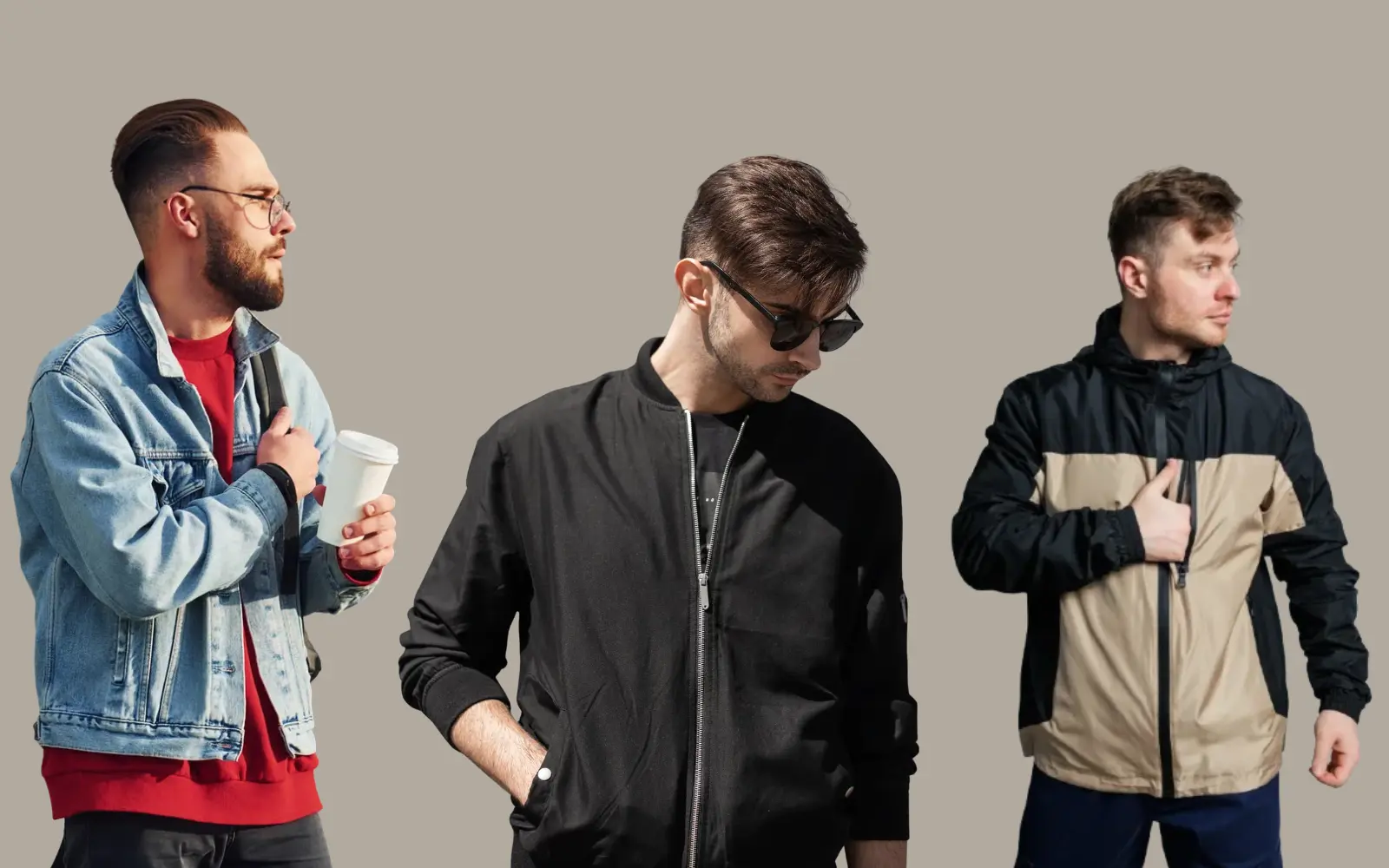
How to Find a Streetwear Jacket Manufacturer
Finding a streetwear jacket manufacturer means more than comparing unit prices. Jacket styles need different fabrics, linings, rib trims, hardware, and decoration. Before you commit, check that a supplier can develop your specific jacket, explain the sample and order terms, and show how quality and delivery will be managed.
Direct answer: To find a streetwear jacket manufacturer, shortlist suppliers with experience in your jacket type, send each the same design and order brief, and compare written answers on sample cost, MOQ, lead time, materials, quality checks, and shipping terms. Approve a physical sample before bulk production and verify who is making the garment.
What does a streetwear jacket manufacturer do?
A manufacturer turns your design brief into a sample and, after approval, a production run. Depending on the service, the supplier may source fabric and trims, develop a pattern, sew the jacket, add branding, inspect finished garments, and prepare the order for shipment.
OEM means the factory makes a product to your design and specifications. ODM generally starts from an existing design or pattern that you adapt with choices such as fabric, colour, labels, or decoration. Suppliers may use these terms differently, so ask what work is included.
Which jackets do streetwear brands order most?
The right construction depends on the style. Share close-up references and specifications, not just a product name.
| Jacket type | Details to specify |
|---|---|
| Varsity | Body and sleeve materials, shell weight or fabric reference, rib knit at collar/cuffs/hem, lining, snap or zip closure, chenille patches, and embroidery placement. |
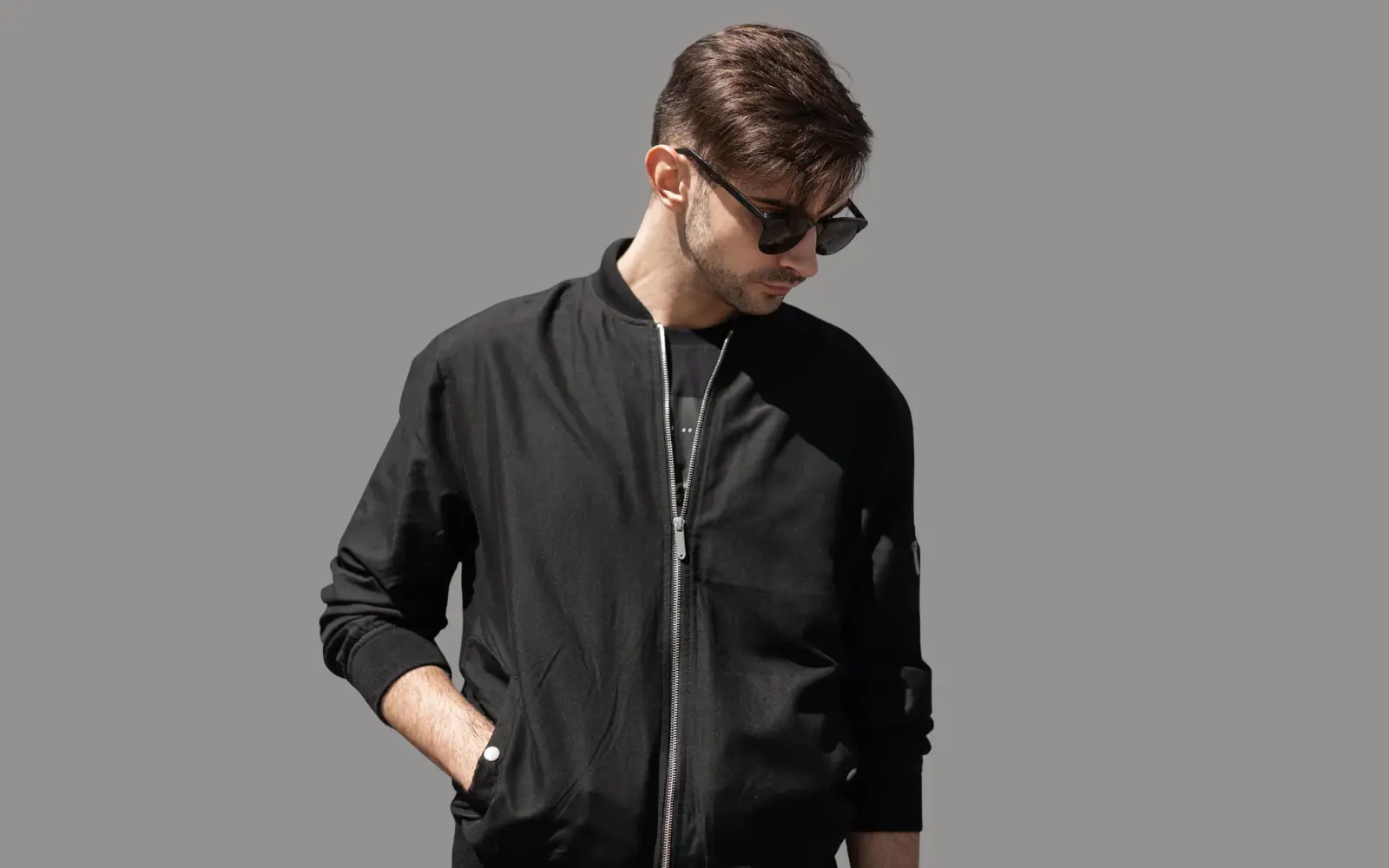
| Bomber | Shell material and weight, lining, rib trim, zipper and pull, pocket construction, and any quilting or padding. |
| Coach | Shell fabric, lining or mesh, snap closure, drawcord or elastic hem, and print or embroidery placement. |
| Windbreaker | Shell fabric and finish, lining or mesh, hood and cuffs, zipper, pocket closures, and whether water resistance is required. |
| Denim | Denim weight or physical reference, wash and colour, seams, buttons, pockets, lining, and distressing. |
| Puffer | Shell and lining, insulation type and amount, baffle layout, zipper and snaps, hood or collar, and desired volume. |
“Shell weight” means the weight of the outer fabric, not the whole jacket. If you do not know the technical term, send a fabric swatch or physical garment reference. For varsity styles, decide whether artwork should be embroidered directly or made as a separate chenille patch. Confirm lining, closure, labels, and hardware on the sample.
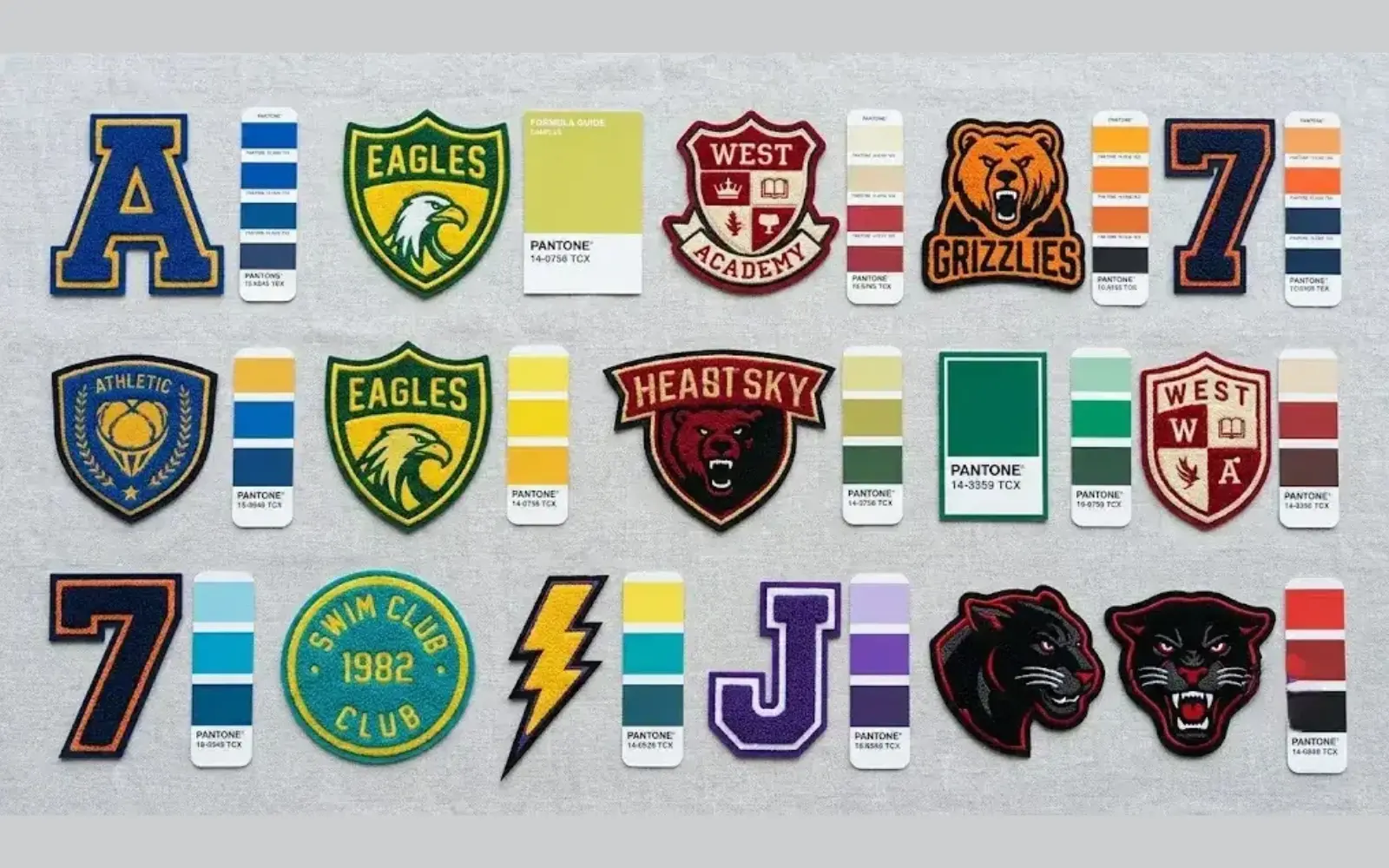
Check fabric, rib trim, patches, embroidery, and closures on the physical sample.
See Race Apparel CUS pages for custom varsity jackets, bomber jacket manufacturing, custom windbreakers, and denim jacket manufacturing.
What should you prepare before contacting a factory?
You can begin with sketches or reference garments, but a clear brief makes quotes easier to compare. Prepare:
- Design references: front, back, and detail views; photos or a sample garment if available.
- Tech pack: measurements, construction notes, artwork placement, labels, and packaging instructions. A tech pack is the document that explains how the garment should be made.
- Materials and trims: shell, lining, rib knit, zipper, snaps, buttons, patches, and embroidery.
- Size run: sizes and quantities by size, measurement chart, and acceptable tolerances.
- Colour and quantity plan: colourways, total order, quantity per style and colour.
- Target price and schedule: indicate whether your target includes shipping or duties and share your target approval and delivery dates.
If details are undecided, label them as open questions. Ask the supplier to quote confirmed specifications separately from suggested alternatives.
What are the MOQ, sample, and production numbers?
Race Apparel CUS’s current pages do not give one consistent figure for every jacket order. The home, pricing, and varsity pages advertise no MOQ or orders from one piece. A private-label manufacturing process page describes a standard 50-unit MOQ. Treat MOQ as order-specific and get the number for your design in writing.
| Item | What the site currently says | What to confirm |
|---|---|---|
| MOQ | Some pages say no MOQ/from one piece; the private-label process page says 50 units for standard private-label orders. | MOQ per style, colour, and branding configuration. |
| Sample cost | The sample request page lists US$40–$100 and says the fee is credited toward a bulk order. | Exact fee, included work, courier cost, revision charges, and credit conditions. |
| Sample timing | Pages list 7 days, 7–15 days, or about 15 days depending on the page and process. | Estimate for your jacket and when the clock starts. |
| Bulk timing | The general process page says 30–45 days after sample approval; the private-label process page says a first order can take 55–70 business days from brief to bulk completion. | Whether the estimate includes development and branding preparation. Shipping time is additional. |
These are published website estimates, not a guaranteed offer. Jacket details such as custom fabric, multiple colourways, special hardware, and chenille can affect the quote and schedule. Review Race Apparel CUS MOQ and pricing information and ask for a written estimate for your exact design.
Factory or trading company: how can you tell?
A factory makes garments; a trading company coordinates orders with one or more factories. Either model can work, but you should know who is responsible for sampling, production, quality checks, and delays.
Ask who will make your jacket and request a live video tour or recent, dated photos of the sample room and production area. Ask to see a jacket sample with construction similar to yours. If partner factories are used, find out which steps the supplier manages directly and who handles defects or schedule changes. Put the responsible company name and production requirements in your order documents.
What eight questions should you ask every jacket supplier?
| Question | A useful answer explains |
|---|---|
| Have you made this jacket type and construction? | Relevant examples, ideally with inside and detail photos. |
| What exactly does your MOQ apply to? | Quantity per style, colour, fabric, or order, including trim minimums. |
| What is included in the sample fee and schedule? | Pattern work, materials, decoration, shipping, revisions, and start date. |
| Which materials and hardware will you use? | Specific options or references, with substitutions approved by you. |
| How will you confirm fit and grading? | Measurement chart, tolerances, sample review, and any size-set process. |
| What checks happen during and after production? | Inspection stages and the defects or measurements checked. |
| Who makes the order and where? | Factory or partner identity and who owns production and QC responsibility. |
| What are the payment and delivery terms? | Payment milestones, named delivery term, shipping mode, and import-clearance responsibilities. |
A clear answer names the process and its conditions. “We can do everything” is not enough; ask for the answer in writing and check it against your sample and order documents.
What are the red flags when sourcing from China?
China is a major sourcing market, but the same checks apply as with any cross-border supplier. Be cautious if a supplier:
- Claims to be the factory but cannot explain where sampling and production take place.
- Refuses a video call, current production evidence, or a relevant jacket sample.
- Changes the company name, bank beneficiary, or payment instructions without a verifiable explanation.
- Demands full payment before specifications, sample approval, and written order terms are agreed.
- Promises an unusually short timeline without checking materials, artwork, or construction.
- Will not clarify MOQ, quote inclusions, substitutions, inspection criteria, or defect responsibility.
An advance payment request alone does not prove fraud. Check that payment terms are documented, the beneficiary matches the contracting party, and production milestones are clear.
How do shipping, duties, and US delivery work?
Ask whether the quote covers production only or also export packing, freight, insurance, customs clearance, duties, and delivery. Compare suppliers using the same destination and delivery term.
Incoterms® allocate certain buyer and seller responsibilities, costs, and risks; they do not replace the sales contract. Have the quote name the rule and a specific place, such as “DAP [named US city], Incoterms® 2020.” See the International Chamber of Commerce overview of Incoterms® 2020.
US duties and fees depend on the goods and entry details. Confirm product classification and import costs with a customs broker or CBP. See U.S. Customs and Border Protection’s import duty and fee guidance. Do not assume “shipping included” covers every charge at delivery.
How does the process work with Race Apparel CUS?
Race Apparel CUS presents itself as an OEM and private-label outerwear manufacturer serving brands and other B2B buyers. Send the jacket style, references or tech pack, quantity by colour and size, branding details, and destination. Ask for written confirmation of the sample fee and timing, MOQ, production estimate, payment terms, and shipping responsibilities. The site says a sample brief can be submitted by WhatsApp or through its contact form.
Because the site lists different MOQ and timeline details across pages, request the terms for your exact order before budgeting. Start by requesting a custom jacket sample or asking for a manufacturing consultation.
Key takeaways
- Match the supplier’s experience to the jacket construction you need.
- Specify shell, lining, rib knit, hardware, decoration, and size details.
- Confirm whether MOQ applies per style, colour, or another unit.
- Get sample costs, timing, revisions, and bulk lead time in writing.
- Verify who makes the jacket and who handles quality checks.
- Compare delivery quotes using the same term and destination.
Planning your next jacket drop?
Send Race Apparel CUS your tech pack or design references, jacket type, estimated quantity by colour, and delivery country. The team can review your brief and confirm the sample fee, applicable MOQ, production estimate, and shipping options for your project before you decide on the next step.
Request a jacket sample or project quote
FAQs
How do I find a manufacturer to make my own clothing?
Define the garment and quantity, prepare references or a tech pack, and contact several relevant manufacturers with the same brief. Compare written answers on samples, MOQ, production, quality checks, payment, and delivery. Approve a physical sample before placing a bulk order.
What is a realistic MOQ for a new streetwear brand?
There is no universal MOQ. It depends on the supplier, jacket construction, fabric, colour plan, and trims. Race Apparel CUS’s current pages say both no MOQ and, for some private-label orders, a 50-unit minimum. Confirm the MOQ for your exact style and branding configuration.
How much do jacket samples cost?
Race Apparel CUS’s sample request page currently lists US$40–$100 and says the fee is credited toward a bulk order. Ask for the exact price and confirm what it covers, including courier charges and revisions.
Do I need a tech pack?
A tech pack helps communicate measurements, materials, construction, branding, and packaging. If you do not have one, send clear sketches, references, measurements, and open questions, then ask whether the supplier can help develop the missing specifications and what that costs.
What should I send a jacket manufacturer to get a useful quote?
Send your jacket style, front and back references, material preferences, size range, colourways, branding details, order quantity, and delivery country. A tech pack helps, but clear sketches or a physical reference can also start the discussion.
How can I check whether a supplier is a real factory?
Ask who will make your order, request a live video tour or current photos of the sample and production areas, and ask to see a relevant jacket sample. If the supplier uses a partner factory, confirm who manages production and quality checks.
Should I approve a sample before bulk production?
Yes. Review the physical sample for fit, measurements, fabric, lining, hardware, decoration, labels, and construction. Record approved changes and have the supplier confirm the approved sample will be the production reference.
Do jacket quotes include US shipping and import duties?
Not always. Ask whether the quote includes freight, insurance, customs clearance, duties, and delivery to your address. Confirm the named delivery term and check import charges with a customs broker or CBP.
Sources
- U.S. Customs and Border Protection: Import duties, taxes, and fees — explains that import charges and fees may apply and depend on the goods and entry details.
- International Chamber of Commerce: Incoterms® 2020 — explains how trade terms allocate certain buyer and seller responsibilities, costs, and risks.
