
How to Choose a Varsity Jacket Manufacturer (OEM & Private Label Guide)

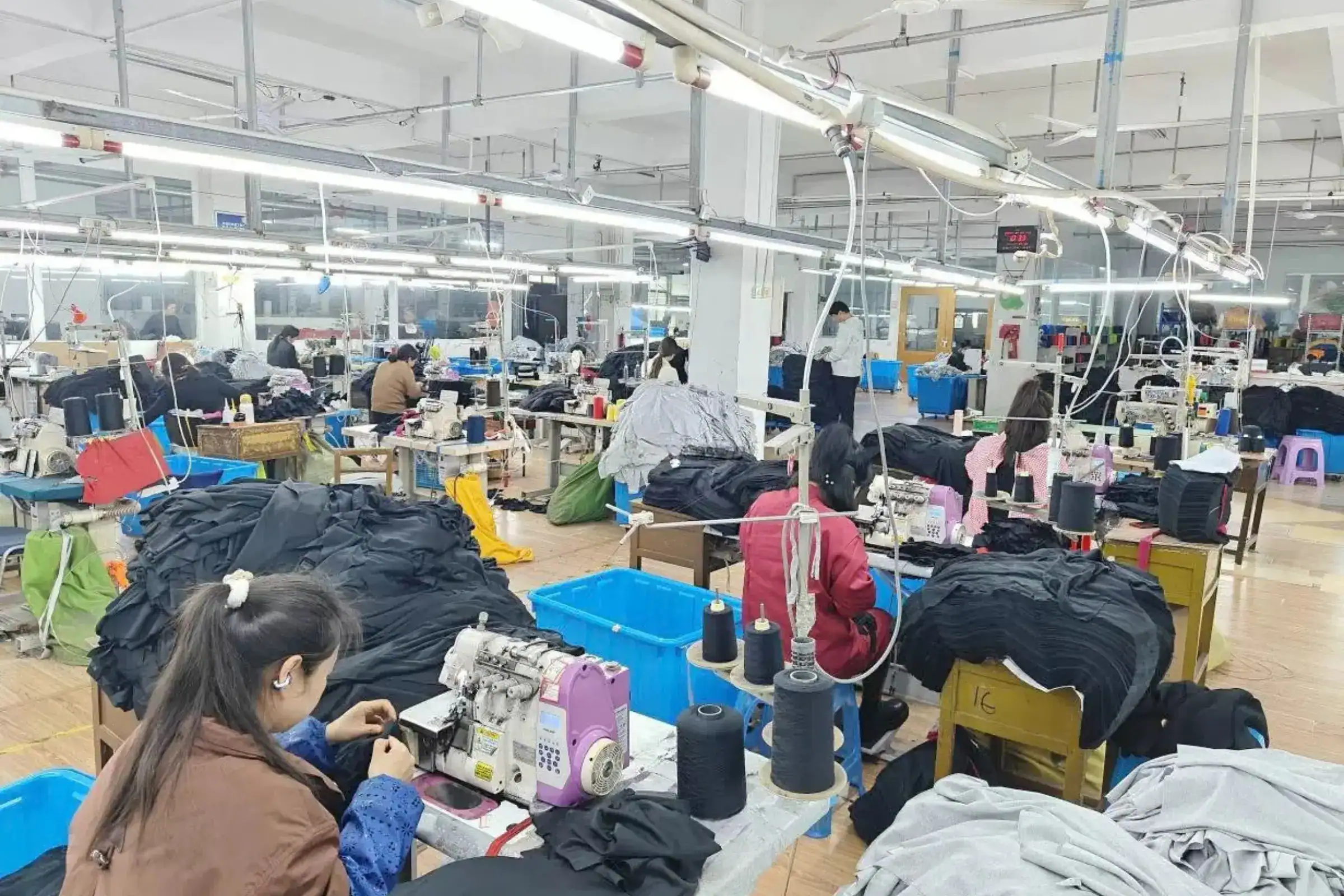
Picking the right varsity jacket manufacturer decides whether your line looks sharp for one season or holds up for five.
Why the Right Varsity Jacket Manufacturer Matters
A varsity jacket is not one fabric. It’s a wool or fleece body, leather or faux-leather sleeves, ribbed knit trim, snap-button plackets, and usually a chenille or embroidered patch. Each of those parts comes from a different sourcing decision, and a factory that cuts a corner on any one of them hands you a jacket that photographs fine and falls apart after a few wears.
This guide walks through what a varsity jacket manufacturer actually does, which type fits your brand, and how to vet one properly before you send a deposit.
What a Varsity Jacket Manufacturer Actually Does
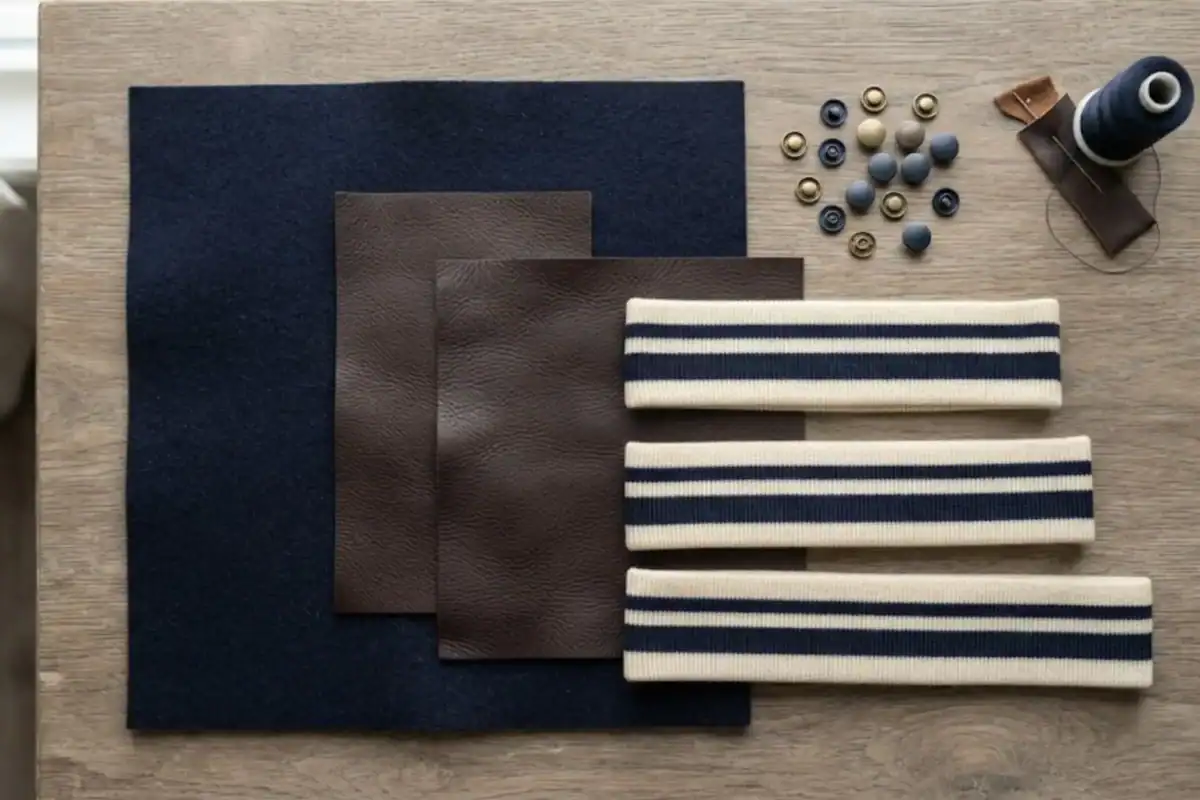
A varsity jacket manufacturer cuts and sews the body, attaches the sleeves, sets the ribbing, and finishes the jacket with snaps, zippers, or both. Many factories apply patches, embroidery, and woven labels in-house, or send that work to a specialist shop and manage it for you.
Some factories only build to your tech pack — you supply the fabric choices, sizing, and artwork, and they produce. Others offer full-package service: they help source the wool-melton or fleece, recommend leather or PU sleeve options, grade your pattern across sizes, and manage the whole build from sample to bulk. Which one you need depends on how developed your product already is.
OEM, Private Label, or Full-Package: Which Manufacturer Fits Your Brand
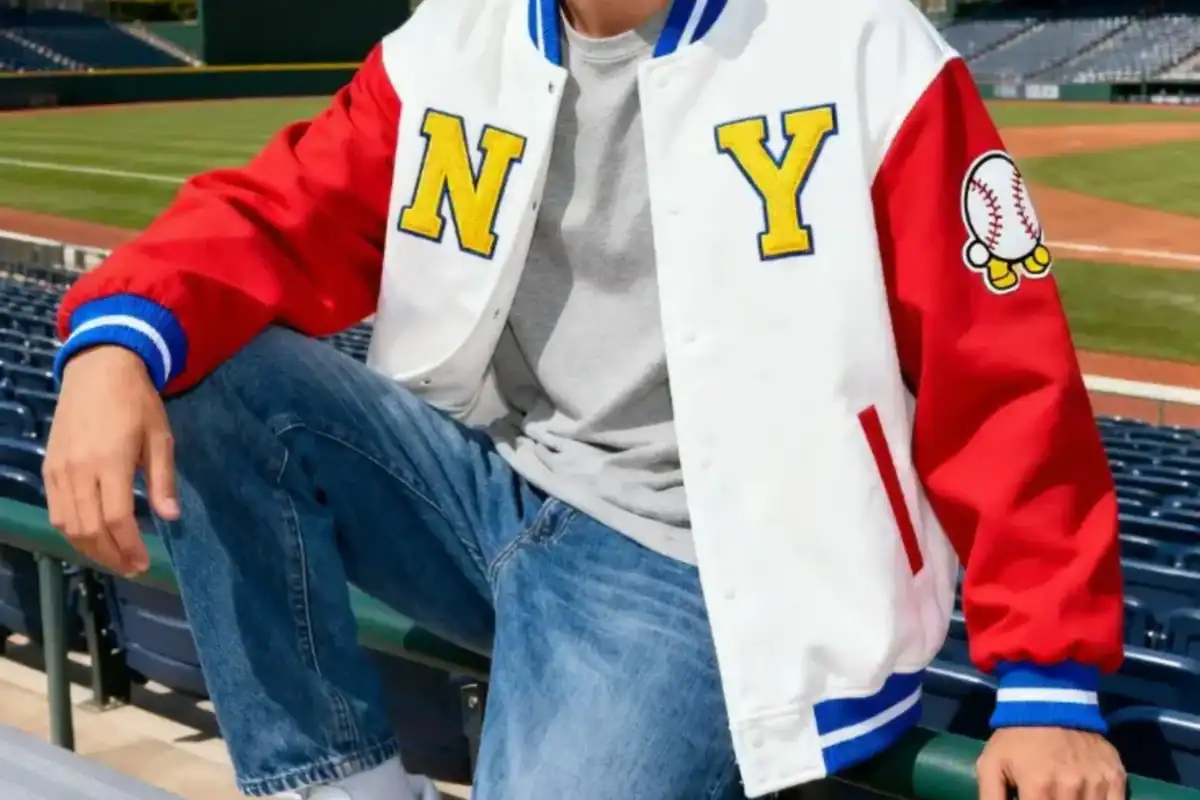
OEM Manufacturer
An OEM (original equipment manufacturer) builds your jacket exactly to your own specs — your pattern, your fabric choice, your patch placement. This route makes sense once you already have a tech pack, a size chart, and a clear idea of the finished product. It gives you the most control but requires the most preparation on your side before you reach out.
Private Label Manufacturer
A private label manufacturer already has varsity jacket templates built — standard silhouettes, standard sleeve and body combinations — and lets you customize the colorway, patches, and branding. This is the faster route for a brand that wants to launch a line without designing every seam from scratch, and it usually comes with a lower MOQ than a full custom build.
Full-Package Manufacturer
A full-package manufacturer manages sourcing, sampling, grading, production, and often packaging in one relationship. This suits a brand that wants one point of contact instead of juggling a fabric mill, a patch supplier, and a cut-and-sew shop separately. It costs more per unit than piecing the process together yourself, but it removes a lot of the coordination risk.
How to Choose a Varsity Jacket Manufacturer, Step by Step
1. Lock In Your Jacket Spec Before You Contact Anyone
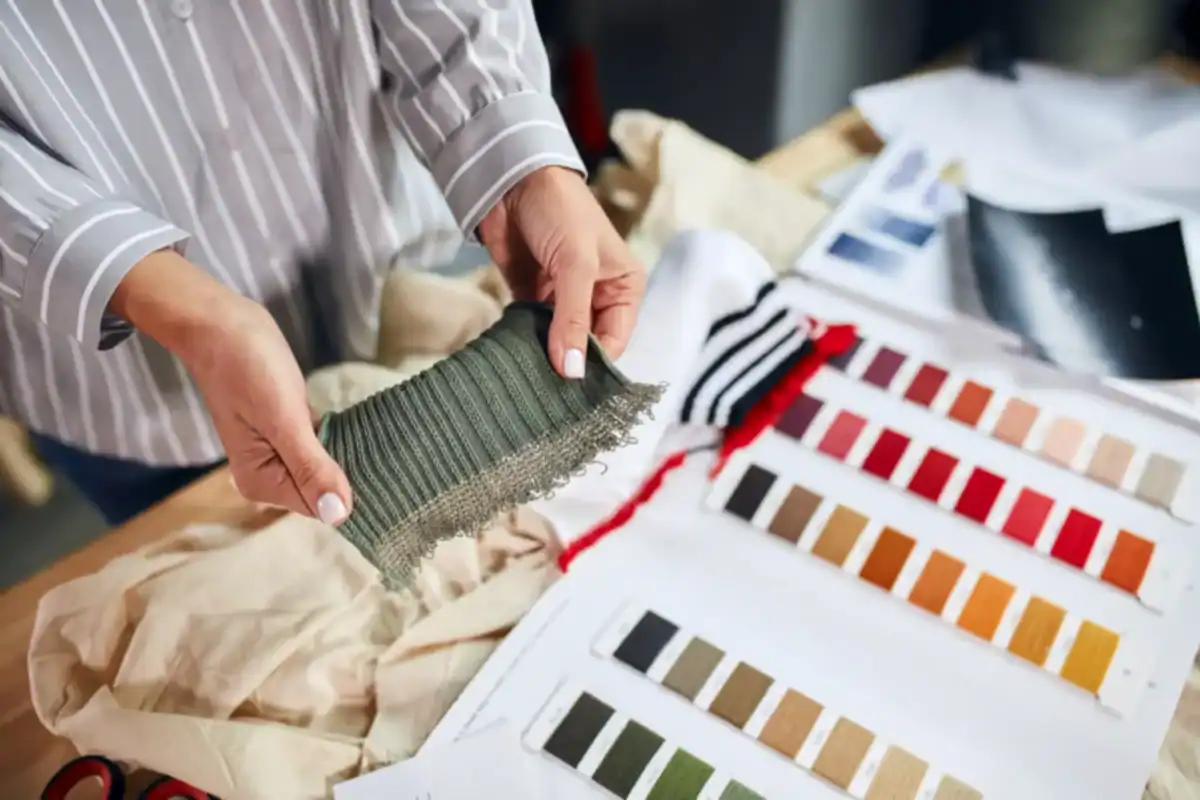
Decide on your body fabric (wool-melton reads as classic and durable; fleece is cheaper and lighter), your sleeve material (genuine leather holds up longer than PU but costs more and adds lead time), your closure (snap buttons are traditional; zippers are more common on modern takes), and your trim colors. A factory can’t quote accurately against a vague idea, and a vague brief is the fastest way to get a vague, overpriced quote back.
2. Ask About Patch and Embroidery Capability
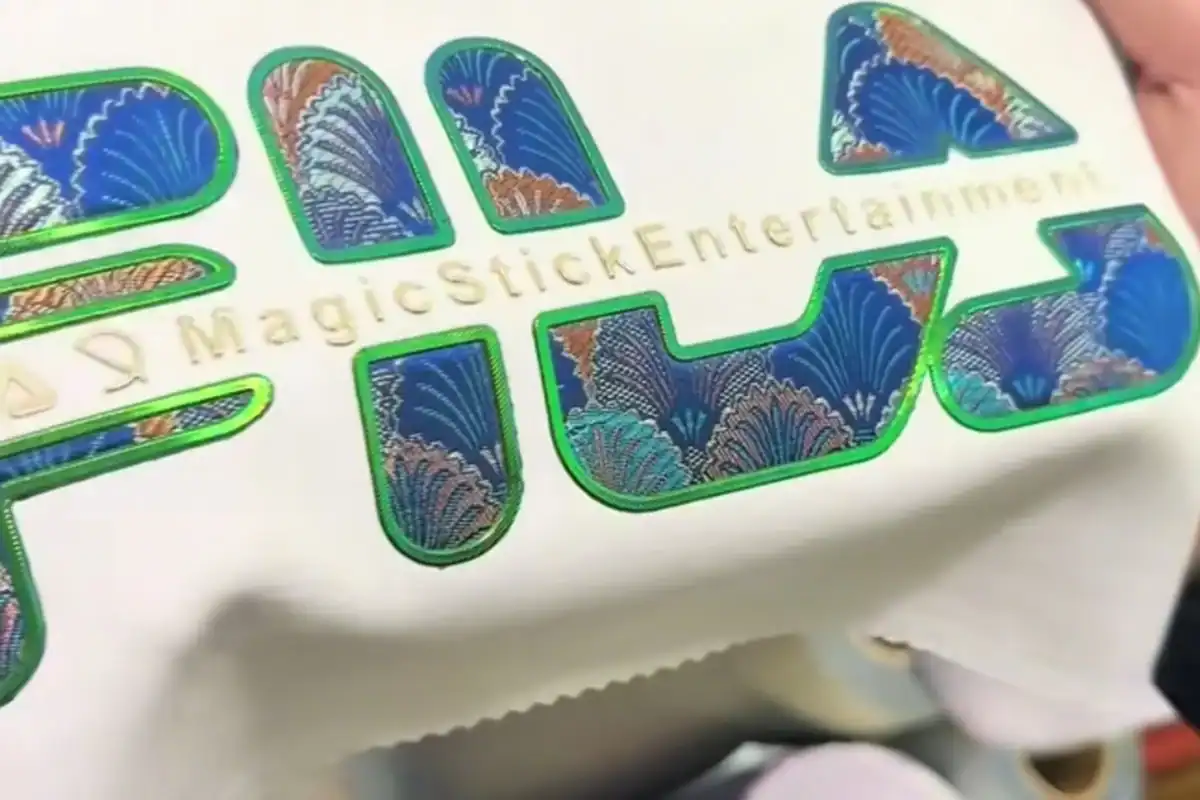
Chenille patches, in particular, are often outsourced even by factories that do everything else in-house. Ask directly whether patches are produced on-site or sent to a subcontractor, because that step adds real time to your production schedule and is where quality most often slips.
3. Check MOQ Per Style and Per Color
Minimum order quantities for varsity jackets commonly start in the 50–300 unit range per style and color combination, though this varies a lot by factory. Ask for the MOQ upfront, before you get deep into color and patch discussions, so you’re not surprised later.
4. Confirm They Understand Licensing Boundaries
If your jackets reference a school, team, or league — even loosely — the factory isn’t responsible for your trademark clearance, but a manufacturer with real experience in this category will ask about it. If a supplier seems unfamiliar with the concept or doesn’t ask, treat that as a sign they haven’t worked with branded team apparel before.
5. Review Communication and Sample Turnaround
A manufacturer that answers clearly, gives you a real sample timeline, and flags problems honestly is worth more than one offering the lowest price. If a factory is vague about sample lead time at the inquiry stage, that vagueness usually shows up again during bulk production.
Common Mistakes Brands Make When Sourcing a Varsity Jacket Manufacturer
- Picking a factory on price alone, which often means a lighter fleece body marketed as wool-melton, or PU sleeves marketed loosely as “leather”
- Skipping the physical sample and approving based on photos, missing stitching or colorfastness issues before bulk production
- Assuming any jacket factory can produce varsity styles well — a supplier that mainly makes basic hoodies may not have the ribbing, snap, and two-tone construction experience this category needs
- Not confirming who handles patches and embroidery, then discovering mid-production that it’s a third party with its own backlog
China vs Domestic vs Small-Batch Local Production
China remains the strongest option for most brands sourcing varsity jackets at scale. The fabric and leather supply chains are deep, factories are used to two-tone construction and patch work, and pricing stays competitive even at moderate MOQs. Lead times typically run three to five weeks after sample approval.
Domestic and small-batch local manufacturing offers easier factory visits and shorter shipping, which matters if you want to walk the floor before a big order. The tradeoff is higher unit cost and a much smaller pool of factories with real varsity jacket experience, since it’s a niche construction style.
Most growing brands start with a China-based OEM or private label manufacturer for the first production run, then decide whether local production makes sense once volume and margins are proven.
If your brand also produces custom jackets outside the varsity category, the same vetting approach applies — the details change, but the questions about MOQ, sampling, and quality control stay the same. RaceApparelCUS also runs a private label jacket program for brands that want a faster path to market without a full custom build from scratch. Brands scaling into multiple categories — jackets and racing suits, for example — often find it easier to consolidate with one manufacturer once volume justifies it.
Varsity Jacket Manufacturer Checklist
| Checkpoint | Why It Matters |
|---|---|
| Body and sleeve fabric confirmed in writing | Prevents disputes over “leather” vs PU or wool vs fleece after production |
| Patch and embroidery capability (in-house or outsourced) | Affects both quality and lead time |
| MOQ per style and per color | Matches order size to your budget and stage |
| Sample turnaround time | Lets you catch problems before bulk production |
| Licensing awareness (for team or school branding) | Protects you from a factory that doesn’t understand trademark limits |
| Quality control checkpoints | Confirms stitching, snap function, and colorfastness are checked before shipping |
| Pricing structure and payment terms | Avoids hidden costs discovered after the deposit is paid |
| Communication responsiveness | The clearest early signal of how production will go |
External Resources
- The American Apparel & Footwear Association publishes sourcing and supply chain guidance used across the apparel manufacturing industry.
- OEKO-TEX certification confirms textiles have been tested for harmful substances, a useful reference when discussing fabric safety with a factory.
- ISO textile standards cover the technical benchmarks many overseas mills use for fabric testing and quality.
FAQs
What is a varsity jacket manufacturer?
A varsity jacket manufacturer is a factory that produces the two-tone jacket style — typically a wool or fleece body with leather or faux-leather sleeves, ribbed trim, and snap or zip closures — either to your own spec (OEM) or from an existing template you customize (private label).
How do I find a reliable varsity jacket manufacturer?
Start by defining your fabric, sleeve, and closure preferences, then contact several factories with the same brief so you can compare quotes fairly. Ask for a physical sample before committing to a bulk order, and check how clearly the factory communicates at the inquiry stage.
What is the typical MOQ for a varsity jacket manufacturer?
MOQs commonly fall between 50 and 300 units per style and color, though this varies by factory and whether you’re working with an OEM or private label supplier. Some private label manufacturers offer lower minimums since they’re customizing an existing template rather than building from scratch.
Is it better to work with a full-package or a cut-and-sew varsity jacket manufacturer?
A full-package manufacturer handles sourcing, sampling, and production in one relationship, which suits brands that want fewer moving parts. A cut-and-sew factory gives you more control if you already have your fabric and leather sourced and just need production.
Can a startup order from a varsity jacket manufacturer?
Yes, as long as you choose a factory with flexible MOQs and private label options. Look specifically for manufacturers that have worked with early-stage brands before, since they’re more likely to guide you through sampling and sizing without requiring a huge first order.
Do varsity jacket manufacturers handle chenille patches and embroidery?
Many do, though it’s common for patch work to be outsourced to a specialist even at factories that handle everything else in-house. Always ask directly whether patches are made on-site, since this affects both quality and production timelines.
What’s the difference between genuine leather and PU sleeves on a varsity jacket?
Genuine leather sleeves cost more but hold their shape and texture longer, developing a natural patina over time. PU (synthetic) sleeves are cheaper and lighter but tend to crack or peel with heavy wear, which matters if your jackets are meant to last multiple seasons.
How long does production take with a varsity jacket manufacturer?
Most factories need three to five weeks for bulk production once a sample is approved, not counting the sampling round itself. Add extra time if patches or embroidery are outsourced to a third party.
