
7 Steps to Choose an OEM Clothing Manufacturer for Your Brand

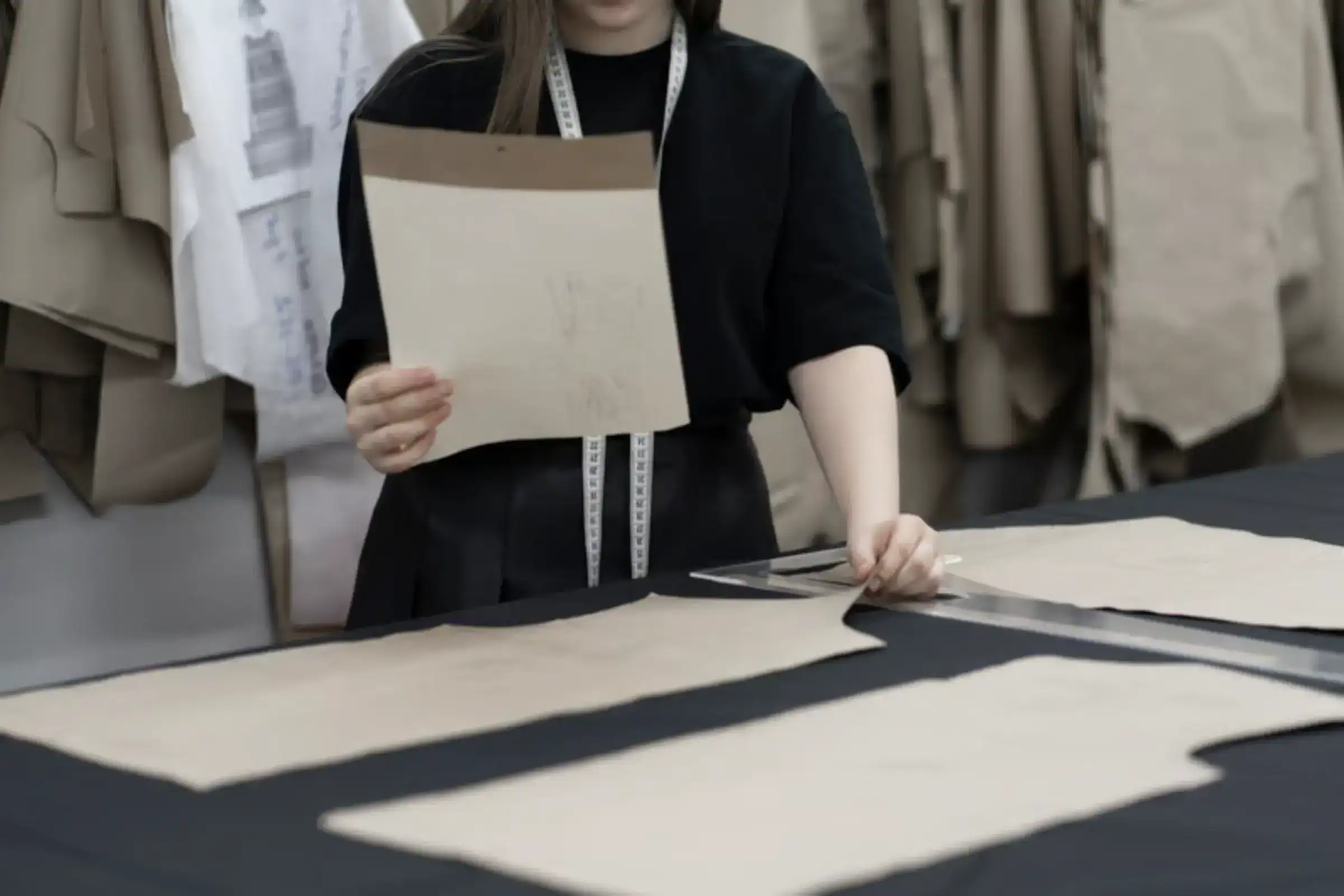
An OEM clothing manufacturer turns your product specifications into a finished garment. That sounds simple until a small gap in the brief changes the fit, fabric, or cost. Understanding the OEM process helps you ask better questions and avoid paying for preventable corrections.
1. What an OEM Clothing Manufacturer Does
OEM stands for original equipment manufacturer. In apparel, an OEM factory produces a garment from the buyer’s design and specifications. The brand owns the product direction. The factory supplies the production knowledge, equipment, labor, and quality controls needed to make it.
The starting point is usually a tech pack. It may include sketches, measurements, grade rules, fabric details, trims, stitch types, labels, and packaging instructions. The stronger the information, the more useful the first quote and sample will be.
2. OEM compared with ODM and private label
OEM manufacturing
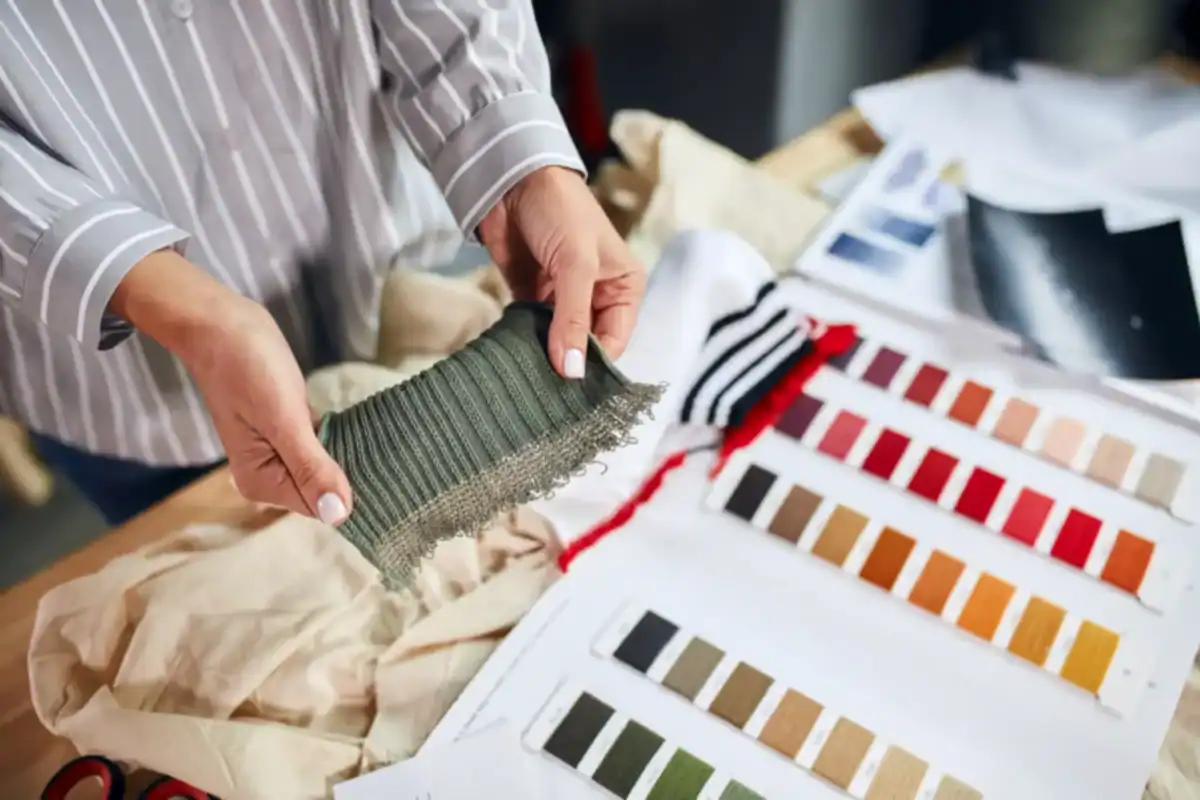
You bring the product concept and specifications. The factory develops or follows the pattern, sources materials, makes samples, and produces the approved style. This gives you more control over the result.
ODM manufacturing
The manufacturer starts with an existing design or product platform. You customize selected details such as color, logo, or fabric. ODM can shorten development when you do not need a completely original construction.
Private label manufacturing
Private label usually starts from a catalogue style. The main changes are branding, colors, and packaging. It can be a practical route for testing a market, while OEM is a better fit when the design itself is a competitive advantage.
3. How the OEM clothing process works
Define the product
Start with the garment category, intended customer, target retail price, expected quantity, and launch date. A factory needs this context to recommend realistic materials and construction choices.
Prepare the technical information
A tech pack should describe the garment in measurable terms. Include a measurement chart, fabric composition and weight, color references, trims, artwork, labels, and packaging. If a detail is undecided, mark it for discussion instead of leaving it vague.
Request and compare quotes
Send the same brief to several factories. Ask each one to separate development fees, sample fees, material costs, labor, packaging, and shipping. A lower unit price is not useful if it excludes the items you still need to buy.
Develop the sample
The first sample tests the factory’s understanding. Review the fit, fabric hand, measurements, stitching, hardware, labels, and finishing. Record every change in a comments sheet. Approve a revised sample or a pre-production sample before bulk cutting begins.
Run production and inspect
During bulk production, the factory should confirm material arrival, cutting status, line progress, and final inspection. Agree on when you will receive photos, measurements, and defect reports. Clear supply chain management keeps small issues from becoming a full rework.
4. What to look for in an OEM partner
Relevant production experience
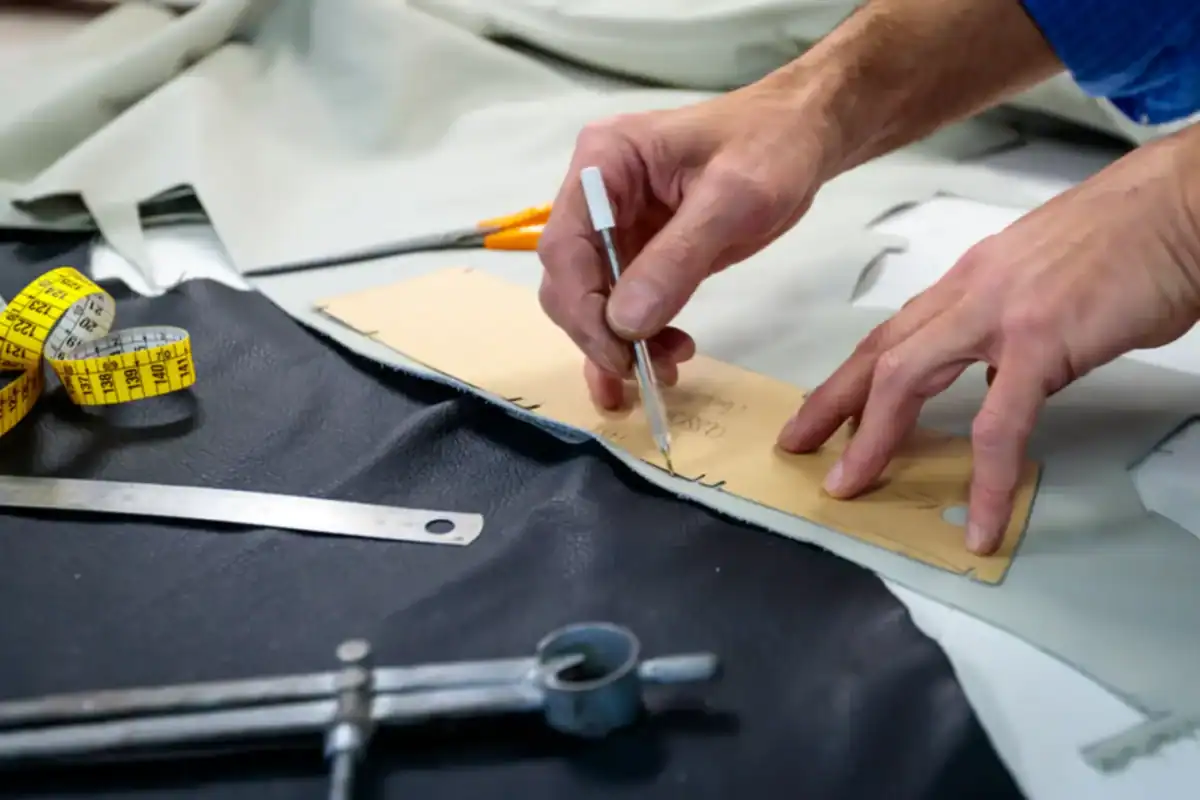
Ask whether the factory has made garments with similar construction. A technical jacket, racing suit, or protective garment made by an OEM clothing manufacturer needs different equipment and controls from a basic knit top. Review close examples rather than a general product gallery.
A repeatable quality system
Good factories can explain how they check fabric, cut panels, sewing operations, measurements, and finished garments. Ask what happens when a defect appears. A quality system is more reliable than a promise that the team “checks everything.”
Transparent capacity and lead time
A factory should tell you when it can sample, reserve production capacity, and ship. Be cautious with a supplier that accepts every deadline without asking about quantity, fabric availability, or current workload.
Clear communication
Your production partner will need to raise questions. That is a good sign. Accurate clarification early is cheaper than a silent assumption discovered after cutting.
5. Documents and certifications
Ask for current documents that apply to your product and market. ISO 9001 can show that the factory operates a documented quality management system. SMETA provides a framework for reviewing labor, health and safety, environmental, and business ethics practices. OEKO-TEX Standard 100 addresses harmful substances in tested textiles.
Treat certificates as evidence to verify, not marketing decoration. Check the company name, scope, issue date, expiry date, and certifying body. If your buyer or retailer has its own code of conduct, include those requirements in the initial brief.
6. Cost, MOQ, and commercial terms
OEM pricing depends on materials, construction, order size, testing, packaging, and the amount of development work. Ask which costs are one-time and which repeat on every unit. Confirm payment stages, sample revisions, inspection charges, shipping terms, and what happens when the order is short or defective.
Minimum order quantity varies by style, color, and fabric. A factory may accept a smaller order when you use stock materials, but the unit cost can rise. Choose a quantity that matches your cash flow and demand forecast. A large order is not automatically a better order.
7. Red flags to take seriously
- The factory cannot read or question your specifications
- The quote has no detail about materials or inclusions
- The supplier skips a physical sample
- The promised lead time ignores fabric and trim availability
- The factory refuses to explain its inspection process
- The company will not identify where production takes place
Ask for clarification once. If the answer remains vague, move the factory down your shortlist. Reliable OEM partners protect the production plan by making uncertainty visible.
8. OEM manufacturer checklist
| Checkpoint | Question to answer |
|---|---|
| Product fit | Has the factory made this garment category before? |
| Tech pack review | Can the team identify missing or conflicting details? |
| Sampling | Is there a clear revision and approval process? |
| Materials | Who sources and tests fabric, trims, and hardware? |
| Quality control | When are inspections performed and recorded? |
| Capacity | Can the factory meet the quantity and launch date? |
| Commercial terms | Are payment, MOQ, shipping, and defect terms written down? |
9. Frequently Asked Questions
What does an OEM clothing manufacturer make?
An OEM clothing manufacturer makes garments to a brand’s design and specifications. The factory may handle pattern work, sourcing, sampling, production, finishing, and packing.
Do I need a tech pack for OEM production?
A complete tech pack is strongly recommended. It gives the factory a clear basis for quoting and sampling. Many factories can help develop or improve one if your concept is not finished.
Is OEM more expensive than private label?
It can be. OEM usually involves more development, sampling, and custom materials. The extra cost buys more control over fit, construction, and brand identity.
How do I check an OEM factory’s quality?
Review similar work, order a physical sample, ask about the inspection process, and verify relevant garment factory certifications. Keep an approved sample as the reference for bulk production.
Can an emerging brand work with an OEM factory?
Yes. The key is matching the factory’s MOQ, communication style, and development support to your stage. Start with a focused product and a clear brief.
Have a product concept ready for review? Use contact us page to share the garment type, target quantity, and any technical information you already have. Race Apparel can help you decide whether OEM, private label, or a hybrid route fits the project.
Questions to ask before you approve an OEM factory
Ask how the factory handles a change after the sample is approved. Some changes are simple. Others affect the pattern, grading, material order, or production date. You should know which changes trigger a new sample and which can be handled through a written instruction.
Ask who owns the patterns, grading files, and artwork created for your product. Put the answer in the commercial agreement. Clear ownership protects both sides when you reorder, move a style, or develop a related garment later.
Make the first production run measurable
Choose a small set of checks that matter most to the garment. For a jacket, that may include chest measurement, sleeve length, zipper function, seam strength, lining attachment, and label placement. Write the tolerance beside each check. A measurable standard gives the factory a fair target and gives your inspector a clear decision.
Keep a record of the first run. Note the fabric lot, sample approval date, inspection results, packed quantity, and any approved deviations. This record becomes useful when you reorder. It also helps you tell whether a problem came from the pattern, the material, or a production step.
Plan communication during production
Agree on a weekly update while the order is active. The update can be short: material status, cutting progress, sewing progress, inspection date, and any open decision. A regular rhythm makes problems visible while there is still time to act.
10. Trusted Resources for OEM Factory Checks
Use official sources when you verify a factory. ISO 9001 covers quality management systems. SMETA explains ethical trade audits. OEKO-TEX Standard 100 is a textile safety reference.
