

Private Label Clothing Suppliers: 7 Tips

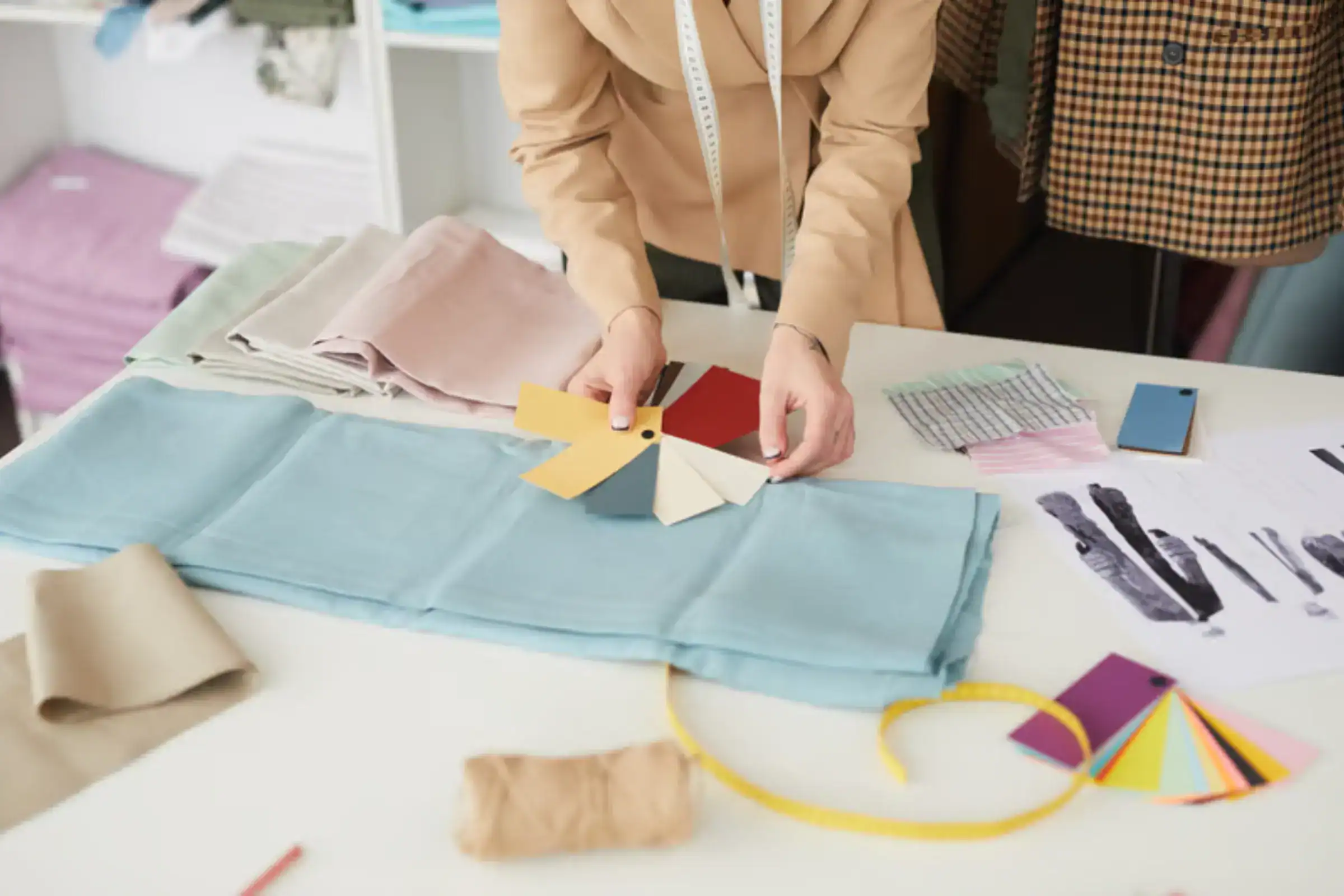
Private label clothing suppliers can help a new brand launch faster, but speed is only useful when the product is consistent. The supplier still needs to get the fabric, fit, labels, and delivery plan right. A careful review before the first deposit protects your launch budget and your reputation.
1. What Private Label Clothing Suppliers Actually Do
Private label clothing suppliers make garments that already have a proven construction, then add your brand details. Depending on the factory, you may choose the base style, fabric, color, labels, hang tags, packaging, and small fit changes. The work starts from an existing product rather than a completely new pattern.
That model suits brands that want to move from idea to sample without funding a long development cycle. It is also useful for testing a category. You can learn how customers respond before investing in a fully custom collection.
2. Match the supplier model to your product
Private label
Choose this route when an existing style is close to what you need. It is usually the fastest option and can keep development costs under control. Ask how much the factory allows you to change. Some suppliers only change labels and colors. Others will adjust fabric, trims, and measurements.
OEM and cut-and-sew
If the fit, fabric, or construction is the product, you may need an OEM or cut-and-sew partner instead. A specialist custom jacket manufacturer can build from your tech pack and manage details that a private label catalogue cannot change.
Full-package production
A full-package supplier may source fabric, make samples, produce the order, add labels, pack the cartons, and support shipping. This reduces the number of vendors you manage. It does not remove the need to approve each stage.
3. How to Evaluate Private Label Clothing Suppliers
Check product specialization
Look for a supplier that already makes your type of garment. A factory that is strong in T-shirts may not understand structured jackets, motorcycle apparel, or technical outerwear. Ask for recent examples with similar fabric weight, trims, and finishing.
Request a real sample
Photos are useful for a first shortlist. They cannot confirm fit or construction. Order a physical sample in the fabric and color you expect to sell. Check the measurements against your size chart. Inspect seams, zipper installation, labels, pressing, and packaging.
Ask for a clear quote
A useful quote separates the base garment, fabric changes, branding, packaging, sample fees, and shipping. If the supplier gives one unexplained total, ask what is included. Clear pricing now prevents difficult conversations after the deposit.
Review communication
The first few emails show how production issues will be handled later. Reliable suppliers answer the actual question, flag risks, and confirm what they understood. Fast replies are less important than accurate replies.
4. MOQ, samples, and the first order
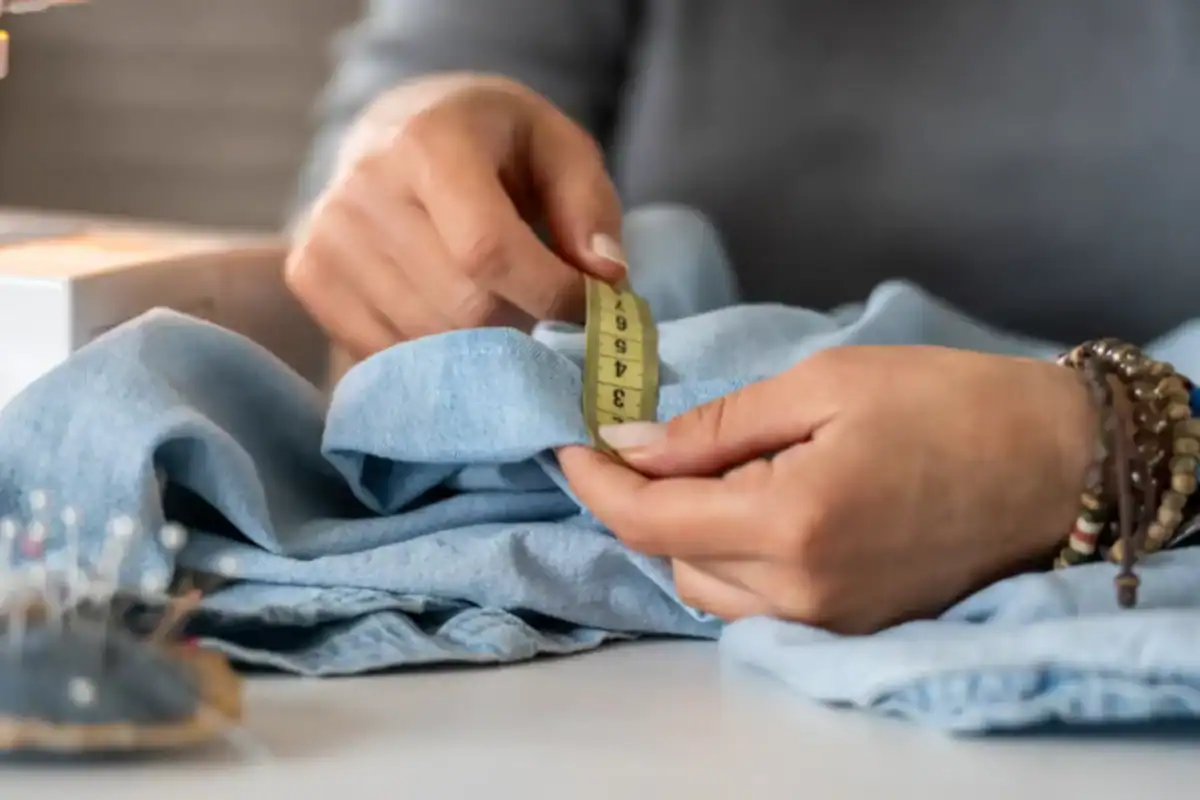
Minimum order quantity is one of the first numbers to confirm. Some factories set an MOQ per style. Others set it per color or per size. Ask whether a mixed-size order is allowed and whether the MOQ changes when you use stock fabric.
A smaller run can cost more per unit, but it may be the sensible choice for a first launch. Some programs offer a no MOQ option for sampling or very small production runs. Confirm the exact terms in writing before you plan your budget.
Treat the first order as a controlled test. Approve a pre-production sample, record the measurements, and agree on acceptable tolerances. Keep a signed sample or a detailed approval pack for the bulk inspection.
5. Branding details that are easy to miss
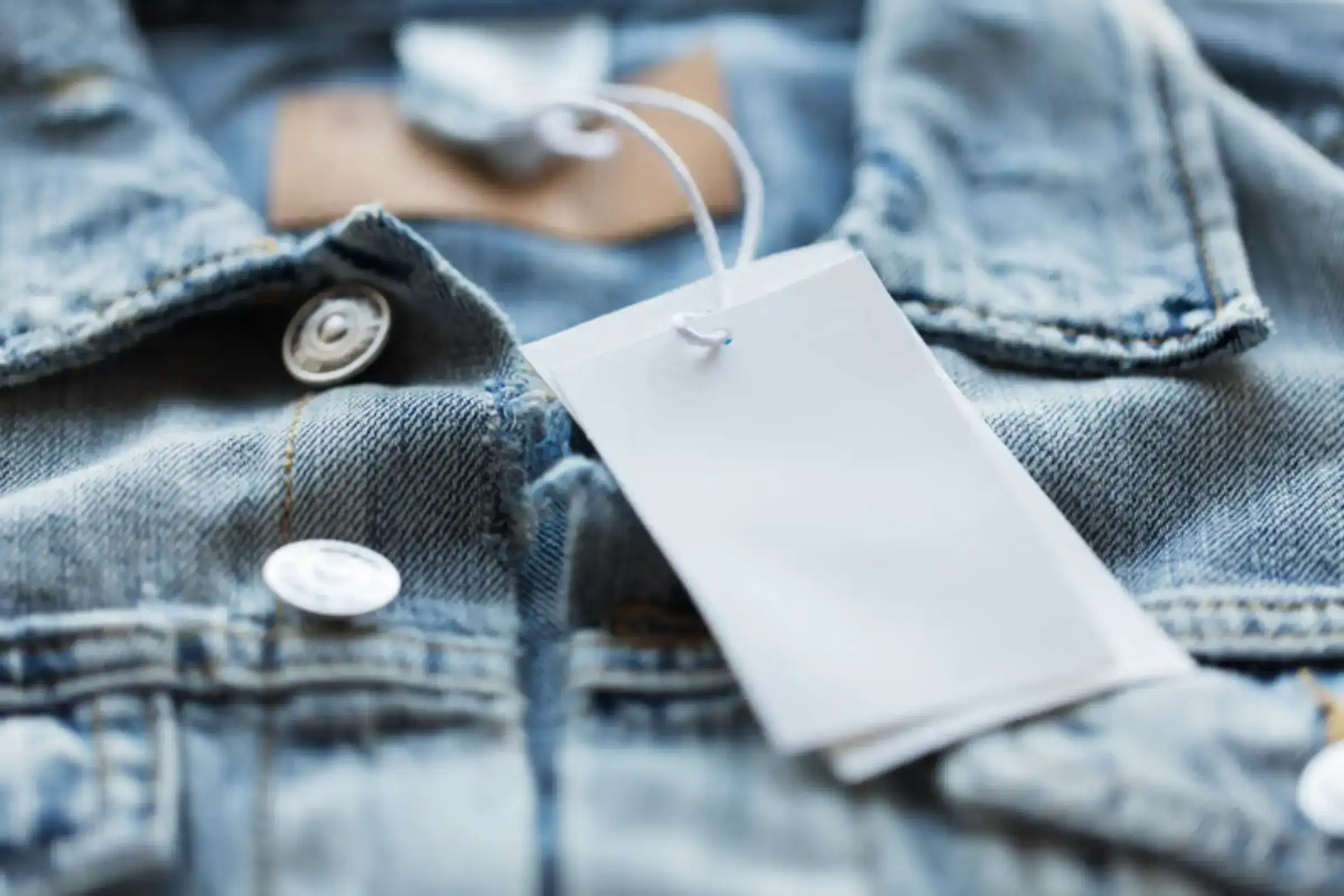
Private label is more than sewing a logo onto a garment. Confirm the label size, position, care content, country-of-origin wording, hang tag material, barcode format, folding method, and carton marks. Ask who supplies each item and who checks it before packing.
If you sell into more than one market, review labeling rules before production. Your supplier can follow the instructions, but your brand remains responsible for the information it puts on the product.
6. Warning signs during supplier research
- The supplier refuses to provide a physical sample
- The quote changes every time you ask a basic question
- The factory cannot explain who will produce the order
- The supplier promises any fabric, color, or quantity without checking feasibility
- The supplier will not share a realistic production timeline
- The company has no clear process for defects or rework
One issue may have an explanation. Several together usually mean the supplier has not built a dependable production process. Slow down and compare another factory before committing.
7. Supplier checklist before approval
| Checkpoint | Why it matters |
|---|---|
| Product specialization | Confirms experience with your garment category |
| Sample approval | Gives you a physical standard for bulk production |
| MOQ and price breaks | Shows how the order fits your cash flow |
| Branding and packaging | Prevents missed labels, tags, and packing details |
| Quality control | Explains how defects are found and corrected |
| Lead time | Lets you plan launch and replenishment |
| Compliance documents | Supports buyer and retailer requirements |
8. Frequently Asked Questions
Are private label clothing suppliers good for startups?
Yes. They can reduce development time and let a startup test demand. Choose one that offers clear MOQs, samples, and practical branding support.
How much customization can I request?
It depends on the supplier. Some change only labels and colors. Others can adjust fabric, trims, measurements, and packaging. Ask for the limits before you pay for development.
Should I order a sample before a bulk order?
Always. A sample is your chance to confirm fit, fabric, branding, and finishing before the larger production run.
What certifications should I ask for?
Ask which certifications apply to your product and market. ISO 9001, SMETA, and OEKO-TEX Standard 100 are common references, but verify current documents rather than relying on website badges.
How do I compare two suppliers fairly?
Send both the same product brief and ask for the same sample, quantity, delivery terms, and inclusions. Compare the full landed cost and the production process, not just the unit price.
Ready to review a private label idea? Send your product references, target quantity, and branding requirements through contact us page. The Race Apparel team can help you compare the right production route, sample steps, and delivery plan.
How to compare suppliers before you decide
Create a simple comparison sheet before you start calls. Record the sample price, MOQ, lead time, payment stages, fabric assumptions, branding inclusions, and inspection method for each supplier. This makes the cheapest quote easier to challenge. A supplier that costs slightly more may include labels, better packaging, or a more realistic lead time.
Ask the same questions to every shortlisted factory. What is included in the quoted price? What changes the MOQ? Who checks the garment before packing? What happens when a defect is found? When can the factory start? Consistent questions give you a fair comparison and show which team understands your product.
Plan the first launch around production reality
Build time into your launch calendar for sample revisions, material approvals, holidays, inspections, and shipping. A supplier may quote a sewing time that does not include fabric booking or customs clearance. Work backwards from the date you need stock in your warehouse, then add a buffer for decisions that may take longer than expected.
Keep the first collection focused. Fewer styles make it easier to check quality and understand which products customers want. Once the supplier has delivered a stable first order, you can add colors, fabrics, and more complex construction with better information.
Before you send the purchase order
Put the final agreement in one place. Attach the approved sample, latest measurements, fabric list, branding artwork, carton plan, and delivery terms. Ask the factory to confirm that this is the version used for production. This small administrative step prevents old files from returning to the line.
Build a supplier relationship over time
The best supplier relationship becomes easier after the first order because both sides learn the product. Share clear feedback and keep approved specifications current. If you change a fabric, label, or measurement, update the working file and mark the revision date. This avoids quiet differences between one production run and the next.
Review the finished goods when they arrive. Count cartons, check random units, and compare the garments with the approved sample. Record any issue with photographs and measurements. A calm, specific review gives the supplier a useful correction and helps you decide whether the partnership is ready for the next collection.
9. Trusted Resources for Supplier Research
Before approving a supplier, review the official guidance that applies to your product. ISO 9001 explains quality management systems. SMETA provides an ethical audit framework. OEKO-TEX Standard 100 covers harmful substances in tested textiles.
