How to Find a Clothing Manufacturer for Your Brand

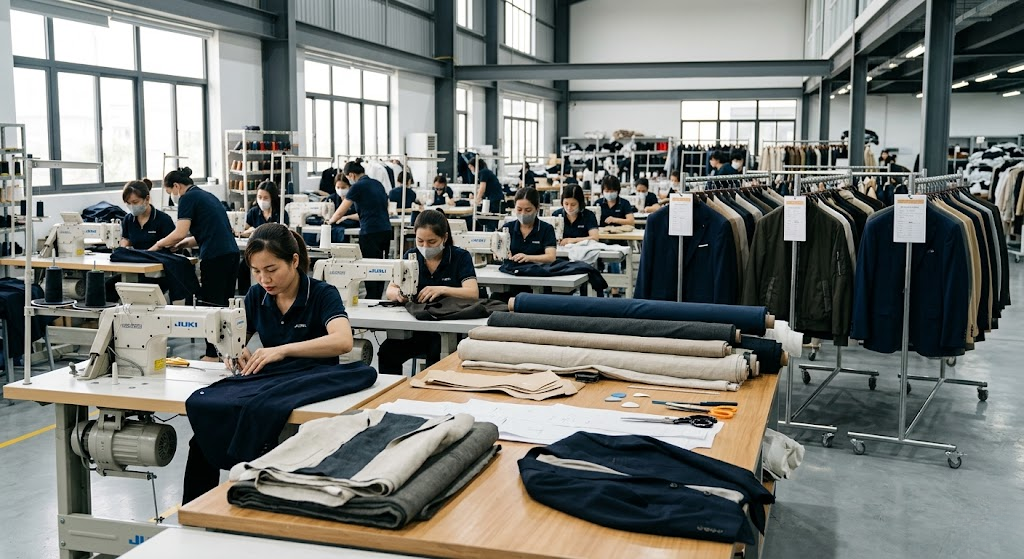
How to find a clothing manufacturer is one of the first big questions every new fashion brand faces. The right manufacturer can help you turn an idea into a real product. The wrong one can create delays, poor quality, wasted money, and unhappy customers.
A clothing manufacturer is more than a supplier. A good factory becomes part of your production system, quality control, pricing strategy, and brand growth. That is why you should choose carefully instead of rushing toward the cheapest option.
What Does a Clothing Manufacturer Do?
A clothing manufacturer produces garments for brands, retailers, private labels, and startups. The factory may handle cutting, stitching, sampling, labeling, packaging, and bulk production. Some factories also help with fabric sourcing, pattern making, trims, and product development.
Different manufacturers offer different service levels. Some only produce what you provide in a tech pack. Others offer full-package manufacturing, where they support design development, sampling, sourcing, production, and finishing.
Know What Type of Manufacturer You Need
A brand should understand its production needs before contacting suppliers. This saves time and helps you avoid factories that are not the right fit. Your product category, budget, order quantity, and customization level all matter.
OEM Manufacturer
An OEM manufacturer produces clothing based on your own design and specifications. This option is best when you already have a clear product idea, tech pack, size chart, and branding details. OEM is useful for brands that want original products instead of ready-made styles.
Private Label Manufacturer
A private label manufacturer offers existing designs that can be customized with your brand name. This option is faster and easier for many startups. Private label production works well when you want to test a product without building every detail from scratch.
Cut-and-Sew Manufacturer
A cut-and-sew manufacturer creates garments from raw fabric using your pattern and design. This option gives you more control over fit, fabric, stitching, and finishing. It is useful for custom jackets, racing suits, streetwear, and premium apparel.
Full-Package Manufacturer
A full-package manufacturer manages more of the production process for you. The factory may handle sourcing, sampling, production, labels, packaging, and shipping support. This option is helpful when you want one partner instead of managing several suppliers.
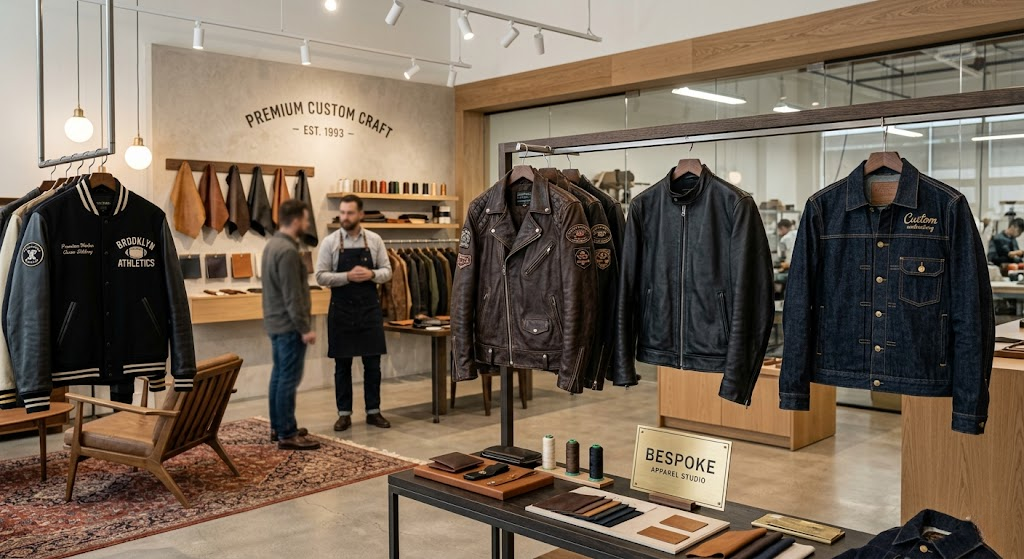
How to Find a Clothing Manufacturer Step by Step
Define Your Product First
Your product details should come before your supplier search. A manufacturer cannot quote accurately if your idea is unclear. You should know your product type, fabric preference, design features, target price, and expected order quantity.
For example, a brand making leather jackets needs a different factory than a brand making basic T-shirts. A racing suit manufacturer also needs technical stitching, safety details, and performance fabric knowledge. Product specialization matters more than general factory size.
Prepare a Basic Tech Pack
A tech pack is a document that explains your product to the manufacturer. It usually includes sketches, measurements, fabrics, trims, colors, labels, logos, stitching details, and packaging notes. A strong tech pack reduces confusion and improves sample accuracy.
You do not need a perfect tech pack at the beginning. You need enough detail to help the factory understand your product. If you send only a photo and say “make this,” the result may not match your expectations.
Search in the Right Places
You can find manufacturers through Google, sourcing platforms, trade shows, LinkedIn, industry directories, and referrals. Google is useful when you search with specific phrases such as “custom jacket manufacturer,” “private label clothing manufacturer,” or “OEM clothing manufacturer.” Sourcing platforms can also help, but you still need to verify each supplier carefully.
Do not rely on one source only. A supplier may look strong on one platform but weak on communication or quality. Always compare multiple options before making a decision.
Shortlist Factories by Specialization
A manufacturer should match your product category. If you sell jackets, look for factories that already make jackets. If you sell motorsport gear, look for suppliers with racing suits or technical garment experience.
A general clothing factory may not understand complex outerwear construction. Jackets often need stronger stitching, lining, zippers, pockets, trims, and fit control. Choosing a specialist can save you from costly production mistakes.
Ask About MOQ
MOQ means minimum order quantity. This is the smallest order a factory will accept for one style, color, or design. MOQ matters because startups often cannot place very large orders at the beginning.
Ask the factory about MOQ before discussing too many details. Some suppliers may require 300, 500, or 1,000 pieces per style. Others may offer smaller batches with higher unit costs.
Check Sampling Process
A sample shows whether the factory can make your product properly. You should never go directly into bulk production without reviewing a sample. Sampling helps you test fit, quality, fabric, stitching, labels, and finishing.
Ask how long sampling takes and how many revisions are allowed. Also ask whether sample cost is refundable after bulk production. A serious factory should explain the full sampling process clearly.
Review Communication Quality
Communication is one of the biggest signs of a reliable manufacturer. Good factories answer questions clearly, explain limitations, and provide realistic timelines. Poor communication often becomes a bigger problem during production.
Pay attention to response time, detail level, and professionalism. If the factory avoids direct answers, that is a warning sign. You need a partner who can communicate before, during, and after production.
Compare Pricing Properly
Cheap pricing can look attractive, but it can also hide weak quality. You should compare price together with fabric, stitching, trims, MOQ, packaging, lead time, and service level. A low quote is not always the best quote.
Ask what is included in the price. Some factories quote only basic production. Others include labels, packaging, sampling support, or fabric sourcing.
How to Verify a Clothing Manufacturer
Check Website and Business Details
Review the manufacturer’s website, product categories, contact details, business history, and service pages. A professional website does not guarantee quality, but it gives you useful signals. Look for clear information about products, processes, MOQ, samples, and production services.
Ask for Product Examples
A good manufacturer should show examples of past work. These examples help you judge stitching, finishing, fabric use, branding, and product category experience. If possible, request photos, videos, or physical samples.
Ask Production Questions
Ask specific questions about fabric sourcing, lead times, quality checks, packaging, and bulk production. A real manufacturer should answer with practical details. A weak supplier may give vague answers or avoid technical questions.
Start With a Sample
A sample is the safest way to test a factory before placing a large order. The sample may cost more than one bulk unit, but it protects you from bigger losses. If the sample quality is poor, do not expect bulk quality to be better.
Common Mistakes When Choosing a Manufacturer
Choosing Only by Price
Low price should never be your only decision point. A very cheap quote may mean poor fabric, weak stitching, hidden costs, or unreliable production. Your goal should be value, not just the lowest number.
Contacting Factories Without Product Details
Factories need clear product information before they can help you. If you send incomplete details, you may receive inaccurate quotes. Clear information also makes you look more serious as a buyer.
Ignoring MOQ
MOQ can affect your cash flow and inventory risk. Many startups fail because they order too much too early. You should choose a manufacturer that matches your current stage.
Skipping Samples
Skipping samples is risky. The sample stage helps you catch mistakes before bulk production. Without a sample, small issues can become expensive production problems.
Choosing the Wrong Specialization
A factory that makes basic clothing may not be right for jackets, leather, or racing suits. Specialized products need specialized experience. Always match the factory to your product type.
China vs Europe vs Local Manufacturing
Many brands compare China, Europe, and local manufacturing before choosing a supplier. Each option has strengths and weaknesses. The right choice depends on your product, budget, lead time, and quality expectations.
China is strong for custom production, flexible sourcing, large supply chains, and competitive pricing. Many global brands work with Chinese manufacturers because they can produce many product categories at scale. For custom jackets, racing suits, motorcycle jackets, and denim jackets, China can be a strong option when the factory has the right experience.
Europe is strong for premium positioning, shorter regional lead times, and brand perception. It can be a good fit for brands that want EU production or small premium batches. The main challenge is usually higher cost.
Local manufacturing is useful when you want easier visits and faster communication in your own country. The downside is often higher pricing and fewer factory options. Many startups compare all three before making a final decision.
How RaceApparelCUS Can Help
RaceApparelCUS is a China-based custom apparel manufacturer serving brands in the US, UK, Canada, and other international markets. The company focuses on custom jackets and technical outerwear for business buyers. This makes it suitable for brands that need product-specific manufacturing support.
RaceApparelCUS works with categories such as racing suits, varsity jackets, leather jackets, motorcycle jackets, and denim jackets. These products require more detail than basic garments. Strong stitching, accurate sizing, custom branding, and reliable production control are important.
If your brand needs a custom jacket manufacturer, you can use the internal links below in the final published version.
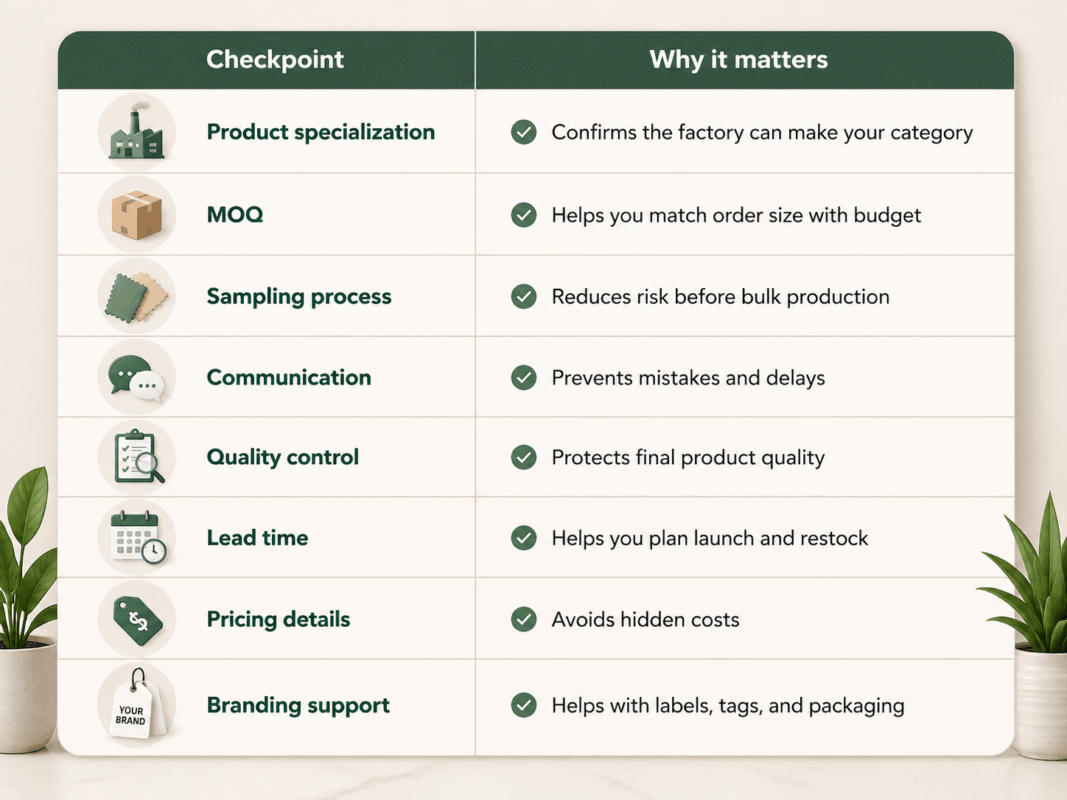
Manufacturer Checklist Before You Decide
Use this checklist before choosing a clothing manufacturer.
FAQs
How do I find a clothing manufacturer for my brand?
You can find a clothing manufacturer through Google, sourcing platforms, referrals, LinkedIn, trade shows, and industry directories. Start by defining your product, preparing a basic tech pack, and shortlisting factories that specialize in your category.
What should I ask a clothing manufacturer first?
Ask about MOQ, sampling cost, production timeline, product specialization, fabric sourcing, quality control, and payment terms. These questions help you understand whether the factory is suitable for your brand.
Can a startup work with a clothing manufacturer?
Yes, startups can work with clothing manufacturers if they choose the right supplier. A startup should look for flexible MOQs, clear communication, sampling support, and experience with smaller brands.
Is China good for clothing manufacturing?
China can be a strong option for clothing manufacturing because it offers broad sourcing options, skilled production, and competitive pricing. The key is choosing a reliable factory with experience in your product category.
Do I need a tech pack before contacting a manufacturer?
A tech pack is highly recommended because it gives the manufacturer clear product details. You can still start with basic information, but a proper tech pack improves quote accuracy and sample quality.
